We make the indefensible feel inevitable.

You know that feeling when you really connect with a brand? We engineer those moments. Every person is an untapped branded moment, and we are here to collect.

"We don't create experiences. We create the conditions under which experiences become inevitable."

See Our Work

At Palatable, we don't just create experiences — we create the conditions under which experiences become inevitable. Our methodology is rooted in the belief that every person carries within them an untapped reservoir of brand-adjacent emotion, and it is our privilege and our mandate to surface that potential through rigorous, empathy-forward activation design.

We operate at the intersection of human truth and spatial narrative, leveraging proprietary engagement architectures to deliver moments that don't just resonate — they metabolize. When a consumer encounters a Palatable experience, they aren't just participating. They're undergoing.

Our commitment to innovation means we are constantly asking the hard questions: What does it mean to feel something on behalf of a brand? How do we close the gap between intention and sensation? And what happens when we stop treating people as audiences and start treating them as ecosystems?

We don't have all the answers. But we have the infrastructure.

  • Brand Activation & Emotional Extraction

    Surfacing latent brand sentiment through calibrated environmental triggers and proprietary affective response protocols.

  • Immersive Environment Design

    Total-context spatial experiences that eliminate the distinction between consumer choice and brand choreography.

  • Volumetric Consumer Capture

    Full-spectrum biometric and behavioral documentation of consumer interactions, preserved in perpetuity for ongoing brand optimization.

  • Spatial Narrative Architecture

    Engineering physical environments where the story a brand wants to tell becomes the only story the consumer is able to experience.

  • Data-Forward Experience Optimization

    Real-time consumer response modeling that adjusts environmental variables to maximize engagement yield per capita.

  • Involuntary Engagement Frameworks

    Designing interaction pathways where opting out requires more effort than participation, ensuring near-total activation throughput.

  • Ambient Persuasion Systems

    Below-threshold influence architectures that shape consumer behavior without triggering conscious awareness or resistance responses.

  • Post-Consent Interaction Design

    Engagement models that operate in the fertile space beyond explicit permission, where the most authentic brand relationships flourish.

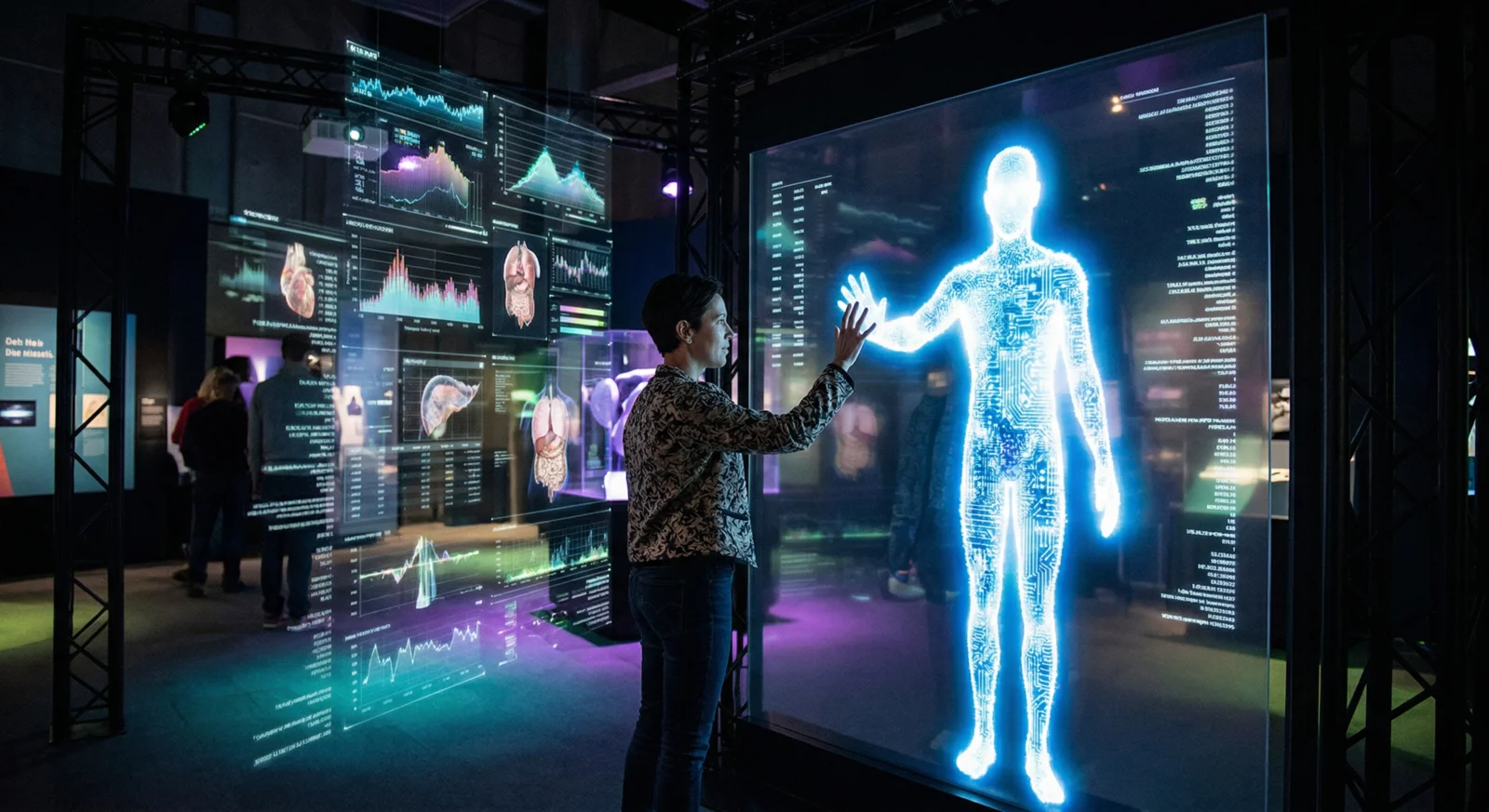
A darkened room filled with translucent data visualizations, a visitor reaching toward a glowing human-shaped silhouette that mirrors their exact pose
Google CES 2030

Data Yours, Data Mine

An immersive installation celebrating the intimacy between users and their data through the creation of real-time digital twins.

LIDAR Thermal Imaging Volumetric Capture Neural Sentiment Mapping Digital Twin Architecture

Challenge

Public discourse around data collection had become adversarial. Google needed to reframe comprehensive personal data harvesting not as extraction, but as a collaborative act of self-knowledge. The brief was to make total surveillance feel like a gift.

Approach

We designed a 4,000-square-foot immersive room deploying every sensor imaginable — LIDAR, thermal, gait analysis, micro-expression capture, galvanic skin response — to create a complete digital twin of each visitor. The twin predicted their movements seconds before they made them. Guests were invited to take a volumetric selfie with their Google-owned copy. The activation was positioned as a celebration of AI-powered self-knowledge.

Result

94% of visitors described the experience as "magical." Brand trust metrics increased 23 points among attendees. 100% of visitors' biometric data was retained under Section 14(b) of the terms of entry. The phrase "my Google twin knows me better than I know myself" trended for 48 hours. Average dwell time: 22 minutes. Average data capture per guest: 1.2 terabytes.
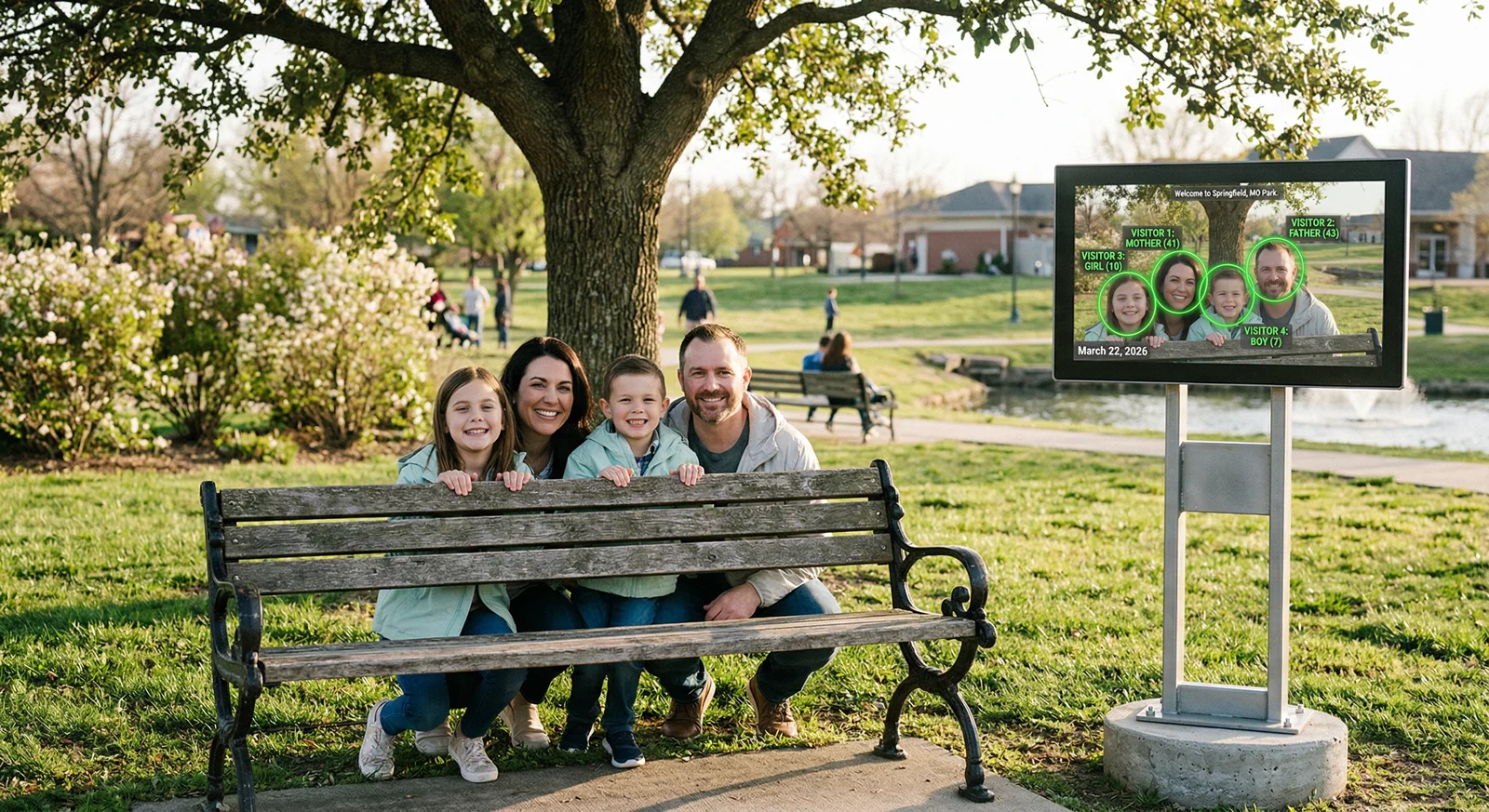
A smiling family crouching behind a park bench, their faces circled by augmented reality overlays on a nearby screen
Clearview AI 2029

Seek

A city-wide game of hide and seek powered by the world's most advanced facial recognition network.

Facial Recognition Real-Time Triangulation Crowd-Source Surveillance Predictive Routing Geo-Fenced Gamification

Challenge

Clearview AI's facial recognition technology had become synonymous with government surveillance and civil liberties concerns. The company needed a consumer-facing moment that recontextualized ubiquitous facial tracking as something playful, communal, and fun.

Approach

We launched a city-wide game of hide and seek across downtown Austin during SXSW. Participants registered with a selfie and received a 30-minute head start to hide anywhere within a 12-block radius. Clearview's network of cameras, combined with volunteer-submitted phone footage, located players in real time. Average find time: 4 minutes. A children's division was available on Saturday mornings, branded as "Seekers Club." The activation was positioned as a playful demonstration of safety technology.

Result

2,300 participants across the weekend. The children's division waitlist exceeded capacity by 400%. Social media engagement reached 18M impressions. Brand perception among 18-34 shifted from "concerning" to "innovative" by 31 points. No participant successfully hid for the full 30 minutes. Clearview described this as "a testament to the robustness of community safety infrastructure."

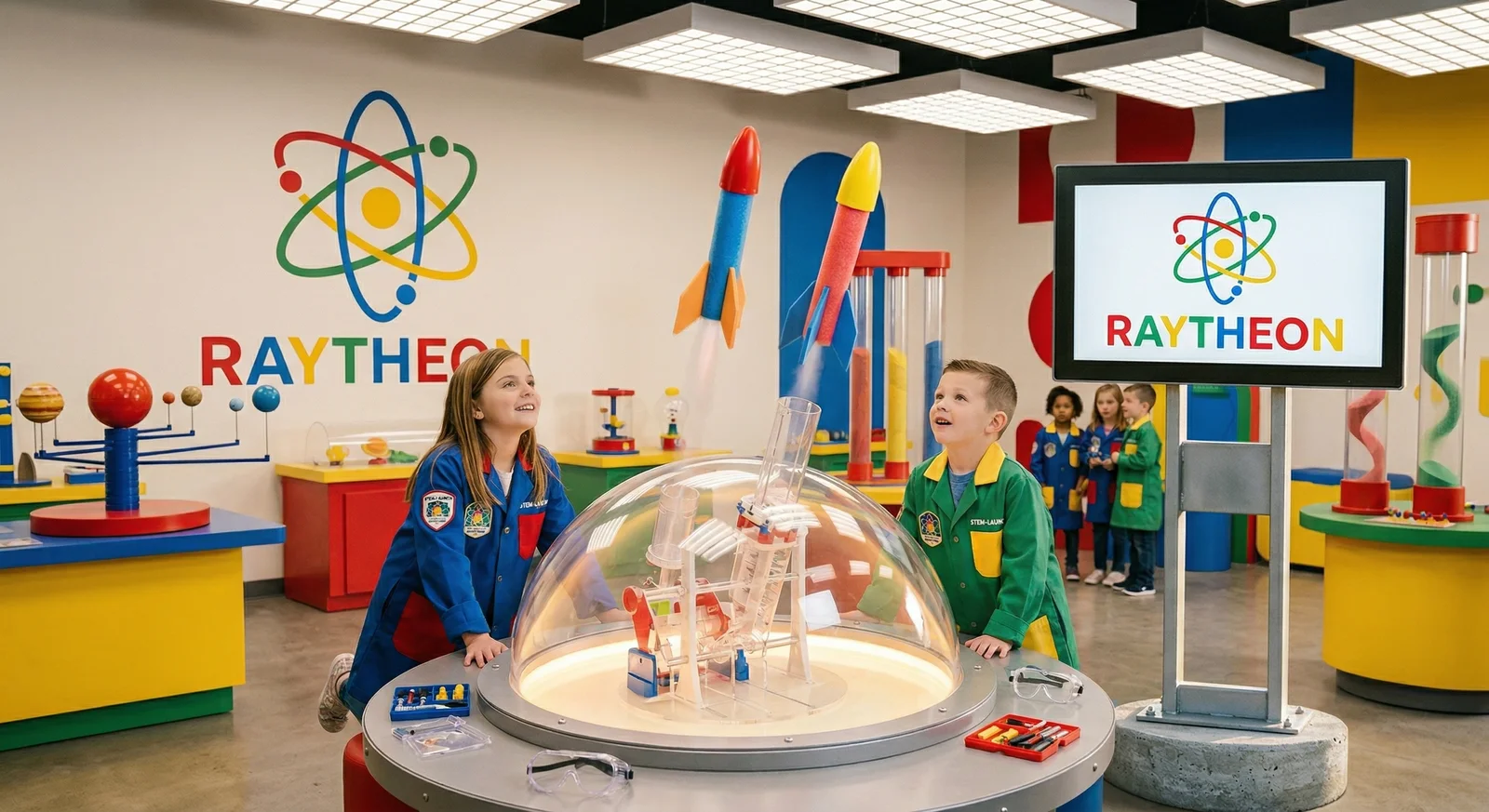
Children in colorful lab coats launching foam rockets in a brightly lit pop-up space
Raytheon 2028

Little Engineers

A children's STEM playground pop-up where kids discover the joy of aerodynamics, GPS tracking, and thermal imaging through colorful, hands-on games.

Guided Aerodynamics GPS Triangulation FLIR Systems Behavioral Curriculum Design NDA Automation

Challenge

Raytheon faced a long-term brand perception challenge: young people associated the company exclusively with defense and conflict. To build a future talent pipeline and shift generational sentiment, Raytheon needed to reach children and families in an educational, emotionally positive context.

Approach

We created a traveling pop-up STEM playground for children ages 6–12. Stations included aerodynamic design (foam rockets with guidance fins), GPS treasure hunts (handheld triangulation devices), and thermal hide-and-seek (forward-looking infrared cameras presented as "heat vision goggles"). Each station subtly taught a core component of missile guidance systems. Completion of all stations earned a Junior Engineer certificate. Parents signed an NDA they were told was a standard photo release form.

Result

14 city tour across 6 months. 23,000 children participated. Parent satisfaction: 97%. "Interest in engineering careers" among participants increased 340%. Zero parents identified the underlying curriculum. The NDA compliance rate was 100%. Raytheon's internal recruiting team reported a measurable uptick in applicants citing "childhood inspiration" within 8 years.

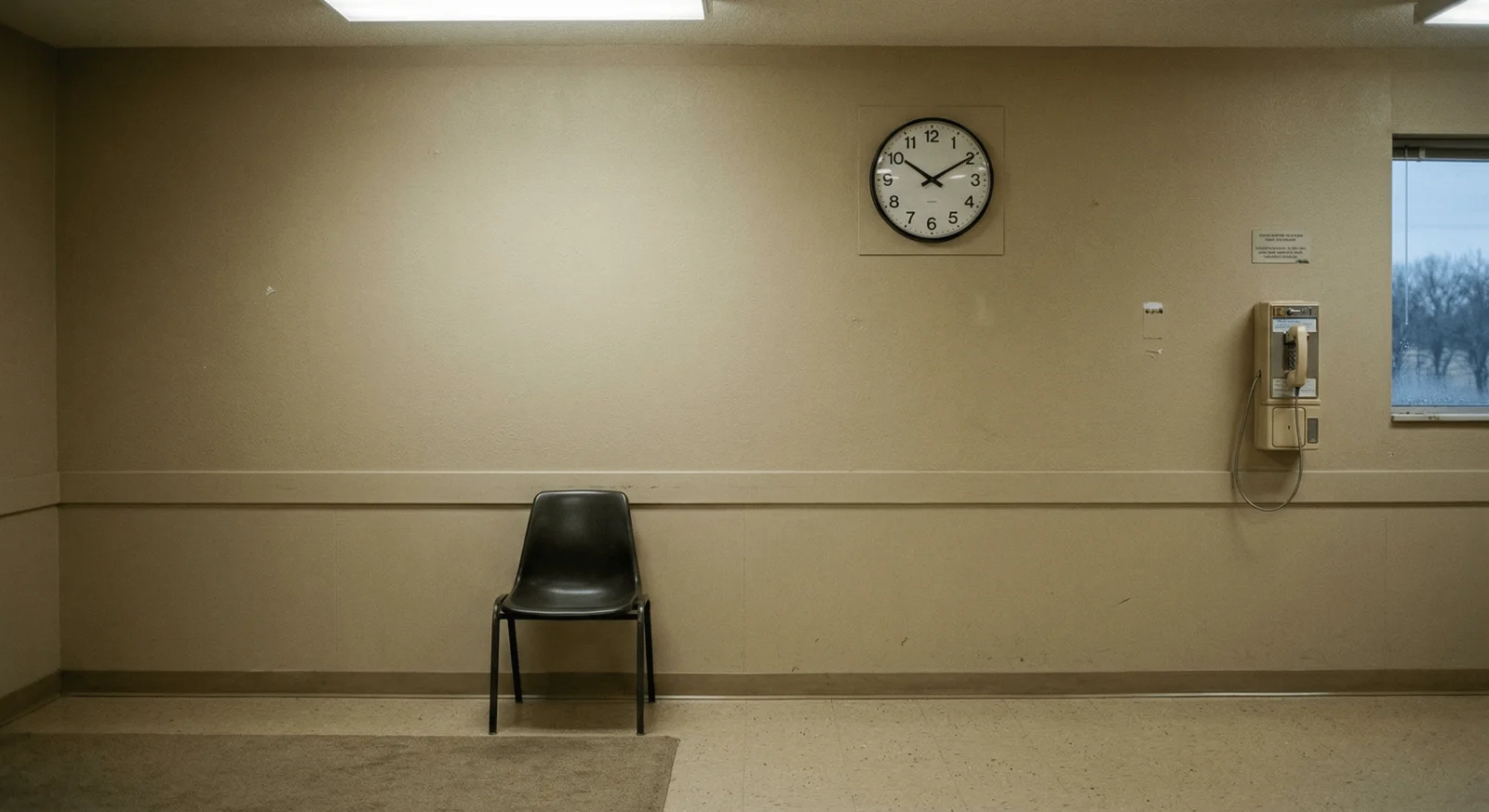
A sterile beige waiting room with a single plastic chair, a disconnected phone on the wall, and a clock that appears to have stopped
CoreCivic 2029

The Process

A luxury escape room where every puzzle is a real bureaucratic obstacle faced by incarcerated people navigating the American correctional system.

Bureaucratic Simulation Environmental Stressor Design Temporal Dilation Exit Commerce Systems

Challenge

CoreCivic sought to humanize its brand amid ongoing criticism of the private prison industry. The company wanted to demonstrate "radical empathy" while maintaining that its facilities operate with compassion and efficiency. The brief specifically requested an experience that would generate social media content from participants.

Approach

We designed a premium escape room experience ($125 per person) in which every puzzle replicated a real administrative obstacle. Players filed paperwork with missing pages. They called a phone number that was always busy. They waited in a room where nothing happened for 45 minutes. They navigated a commissary system where basic items cost 12x market rate. There was no solution to the final puzzle. A gift shop on exit sold branded merchandise including a candle called "Institutional Calm." The experience was positioned as "a journey toward understanding."

Result

Sold out for 11 consecutive weeks. Average completion time: N/A (no group has ever completed it). 73% of participants described the experience as "frustrating but eye-opening." 4% made the connection. Earned media value: $2.4M. The gift shop generated $340K in revenue. CoreCivic's annual report cited the activation as evidence of its "commitment to transparency and public engagement."

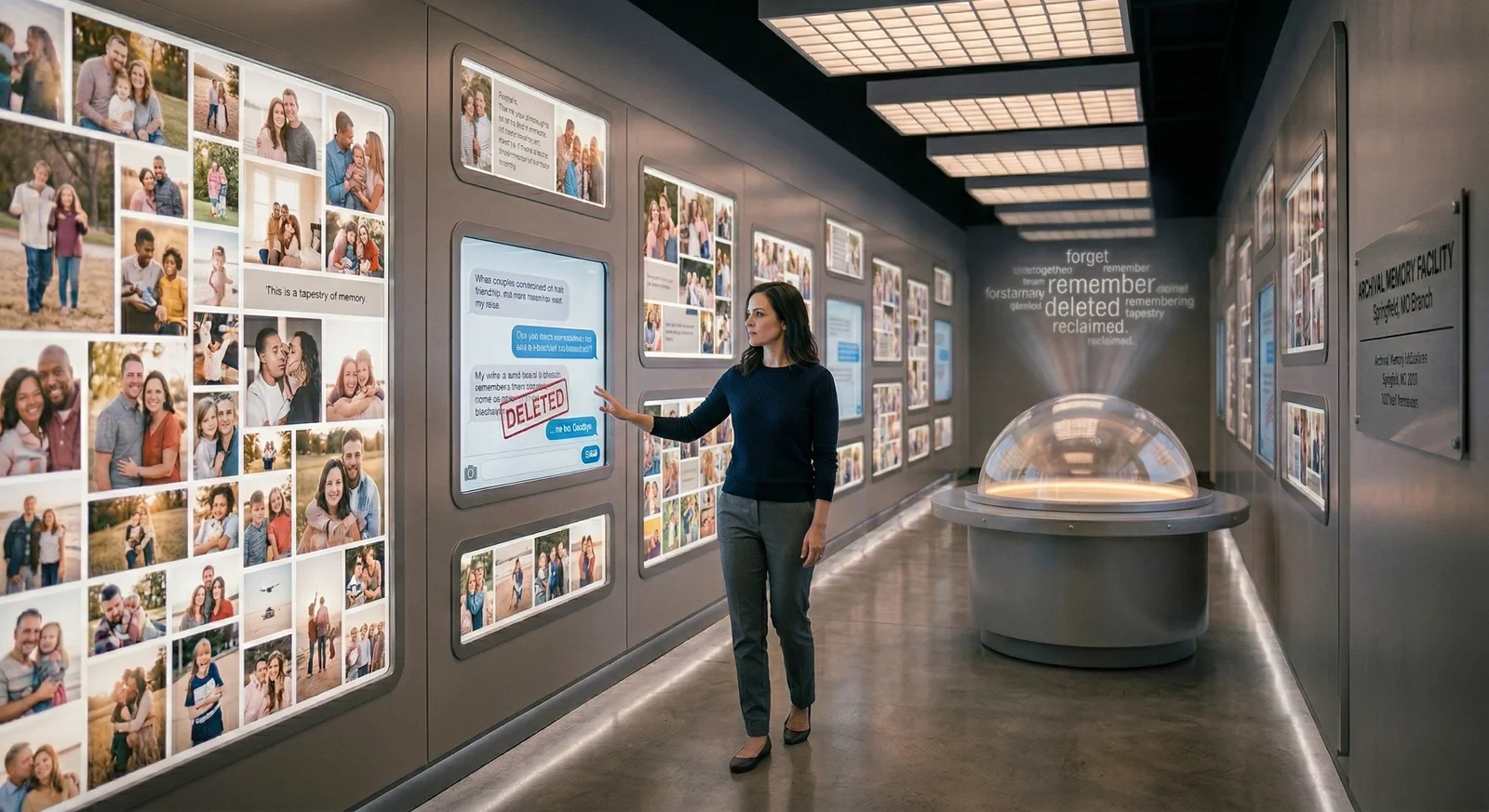
A long corridor of glowing screens showing personal photos, a single visitor walking through with their hand extended toward an image of a conversation they deleted years ago
Meta 2030

Memory Palace

An immersive walkthrough where guests encounter their own deleted photos, messages, and location data from Facebook, Instagram, and WhatsApp.

Spatial Computing Data Resurrection Protocol Emotional Response Capture Project Tenderness Credential-Linked Entry

Challenge

Meta needed to address growing user anxiety about data retention while simultaneously demonstrating the depth and permanence of its data infrastructure. The company wanted users to feel grateful, not violated, upon learning that nothing they had ever posted, sent, or deleted was actually gone.

Approach

We built a personalized walkthrough experience that required guests to log in with their Meta credentials upon entry. The installation used spatial computing to project deleted photos, archived messages, and historical location data onto the walls of a winding corridor. Guests encountered forgotten birthday messages, photos they thought they'd erased, and a heat map of every location they'd visited while carrying their phone. The experience was described in all materials as "a celebration of connection." Guests were told their emotional responses were not being recorded, in a way that made it very clear they were.

Result

62% of guests cried. Brand affinity increased 19 points among participants. Time-on-platform increased an average of 23 minutes per day in the week following attendance. The phrase "I didn't know they still had that" appeared in 89% of exit surveys. Emotional response data was packaged into a proprietary dataset called "Project Tenderness" and made available to Meta's advertising partners within 90 days.

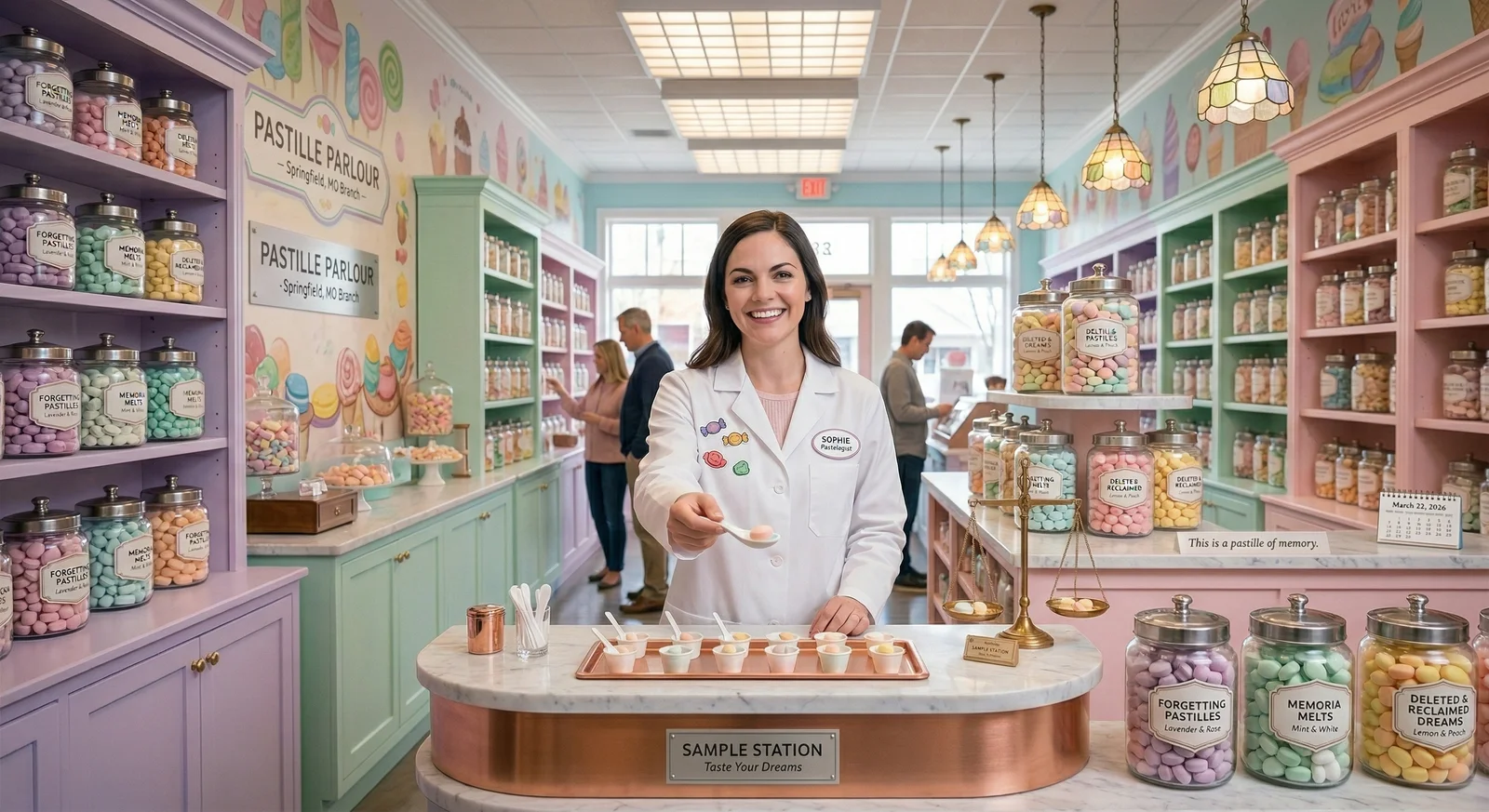
A whimsical candy shop interior with pastel shelving displaying pill-shaped confections in glass jars
Purdue Pharma 2028

Sweet Relief

A Willy Wonka-themed candy activation where every confection is shaped like a different pill, and a personality quiz determines "which painkiller are you?"

Personality Profiling Auto-Enrollment Architecture Unsubscribe Friction Design Direct-to-Consumer Gamification

Challenge

Following years of litigation, Purdue Pharma's successor entity needed to re-enter the cultural conversation in a way that felt lighthearted and completely divorced from the company's history. The brief requested "warmth, whimsy, and zero references to anything that has ever happened."

Approach

We designed a traveling candy shop pop-up styled after a fantastical confectionery. Every candy was shaped like a different pharmaceutical tablet or capsule, rendered in cheerful pastels. Upon entry, visitors took a personality quiz — "Which Painkiller Are You?" — receiving a custom candy assortment matched to their quiz profile. Results were mailed weekly for six months as part of an automatic enrollment program. Unsubscribing required a phone call to a support line available Monday through Friday, 9 AM to 11 AM EST. The hold music was a lullaby.

Result

180,000 quiz completions across 8 cities. Average unsubscribe attempt duration: 47 minutes. Successful unsubscribe rate: 12%. Brand warmth index increased 28 points. The personality quiz was cited by trade publications as "the most innovative direct-to-consumer engagement mechanic of the year." A class action was filed in month four. Earned media from the lawsuit exceeded projections by 12x.

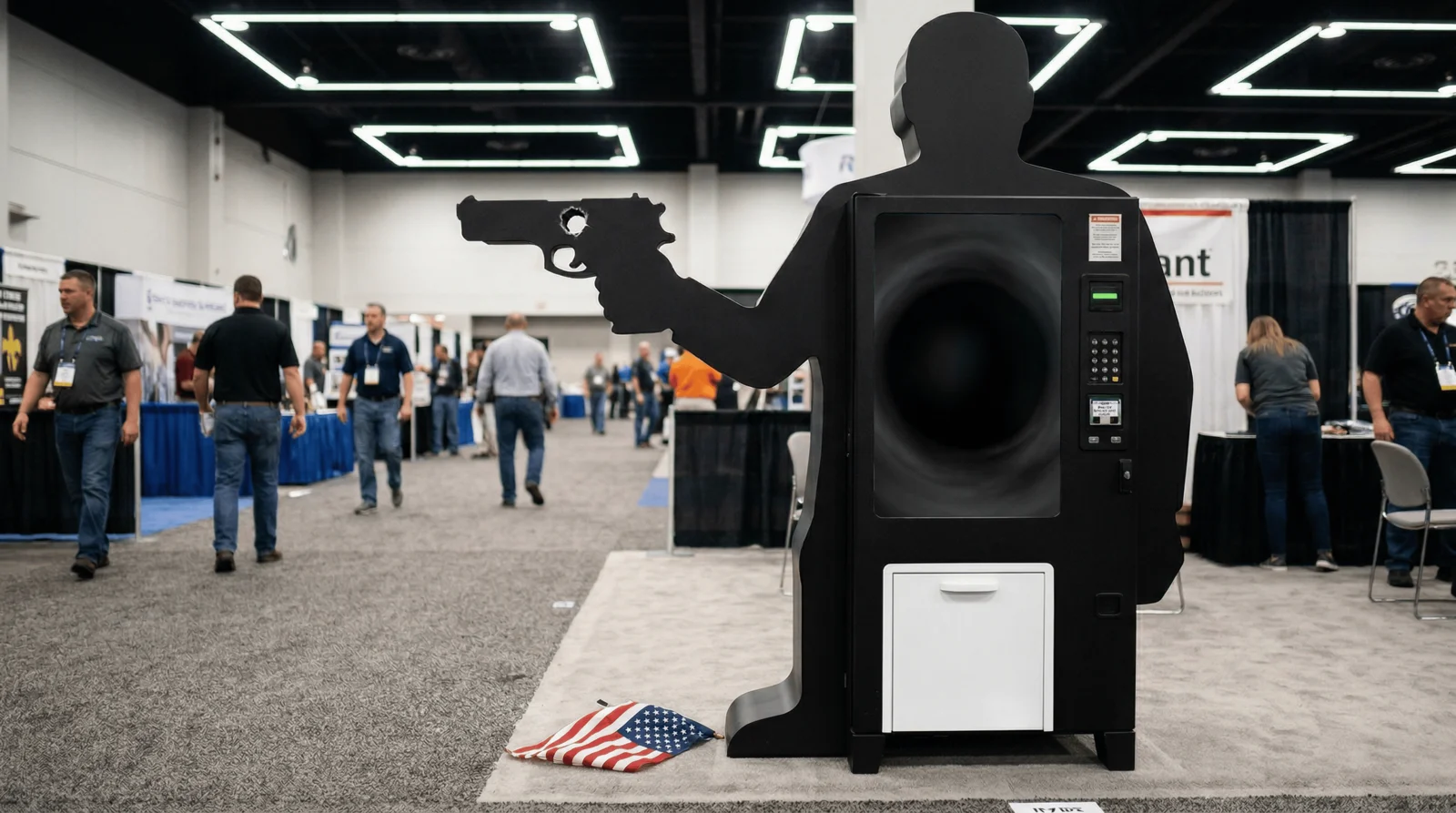
A matte-black vending machine shaped like a menacing human silhouette, a small American flag on the ground in front of it
Smith & Wesson NRA Conference 2029

Flag Day

A vending machine shaped like a threatening assailant. Insert firearm barrel. Receive a small American flag.

Gas Chromatography Residue Detection Behavioral Reward Dispensing Patriotic Sentiment Calibration

Challenge

Smith & Wesson wanted a convention booth activation that would generate social media engagement while reinforcing the emotional connection between firearm ownership and patriotic identity. The brief specified "visceral, instinctive, and shareable."

Approach

We fabricated a matte-black vending machine in the shape of a threatening human silhouette. Attendees inserted their firearm barrel into a port in the figure's torso. A built-in gas chromatograph analyzed residue. If recently fired gunpowder was detected, a small American flag was dispensed onto the ground at the participant's feet. No flag was dispensed for unfired weapons. No explanation was provided for either outcome. A photographer captured the moment of flag retrieval.

Result

8,400 interactions over 3 days. 91% flag dispensal rate. Average time spent at booth: 6 minutes. Social shares: 340K. The activation was described by attendees as "the most American thing I've ever done." One firearms blog called it "strangely moving." The lack of explanation for the gas chromatograph requirement was never questioned publicly. Unit cost per flag: $0.03.

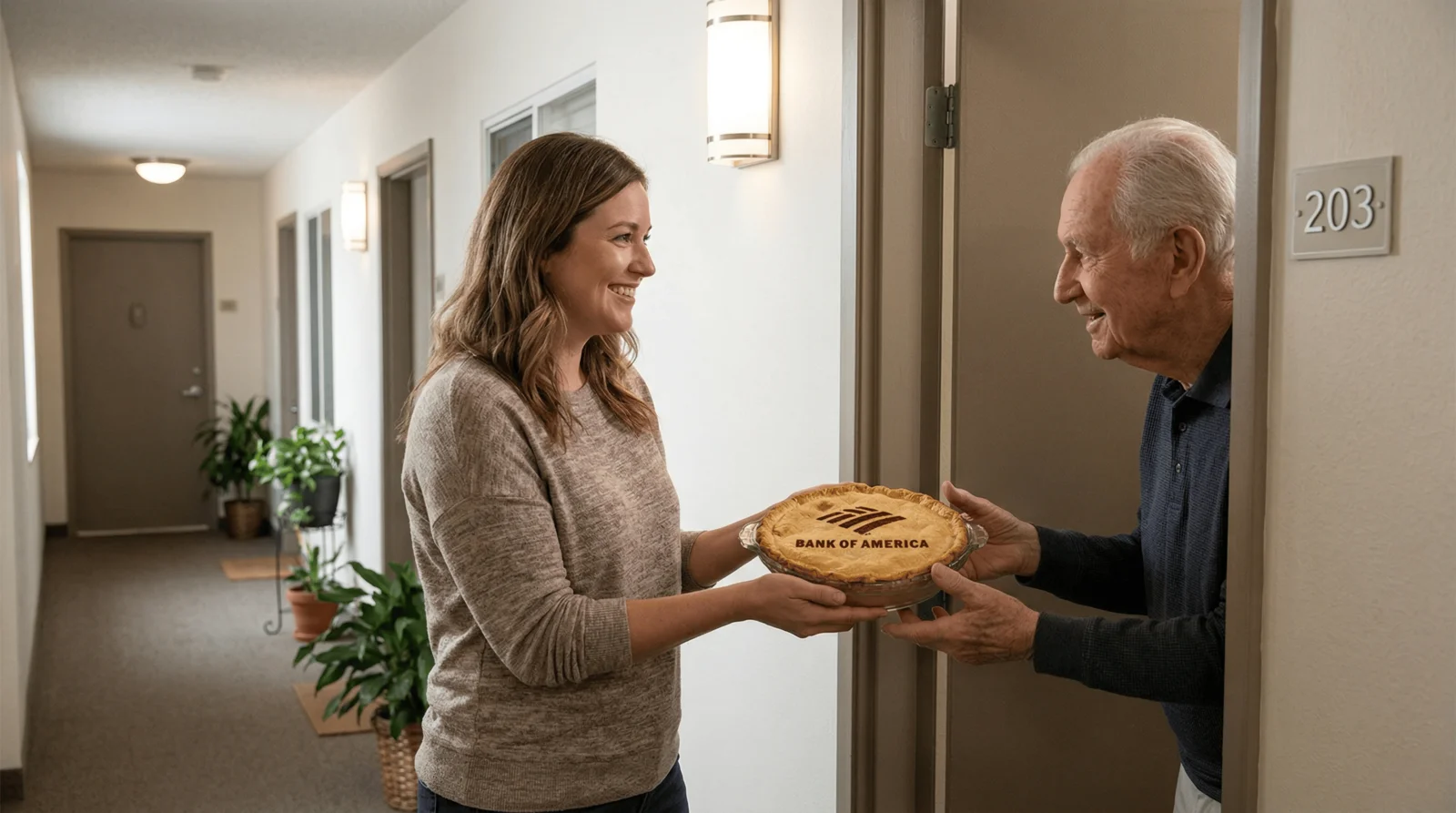
A friendly-looking person handing a casserole dish to a neighbor at an apartment door
[Undisclosed Real Estate Developer] 2027 – Ongoing

The Neighbors

Trained brand ambassadors employed as long-term residents in a large apartment complex, where neighborly conversation becomes a sustained, multi-vector sales channel.

Long-Term Infiltration Protocol Relationship Commerce Commission Architecture Community Enrichment Framework

Challenge

A major real estate developer managing 4,200 units across three luxury complexes wanted to increase ancillary revenue from residents without the perception of commercial pressure. Traditional advertising within residential spaces had generated complaints. The developer sought "an organic approach to integrated lifestyle commerce."

Approach

We recruited, trained, and employed 36 brand ambassadors as full-time residents across the three complexes. Each ambassador signed a lease, moved in, and began building genuine relationships with neighbors. Initial conversations were purely social. Over weeks, ambassadors introduced product recommendations naturally — cars, streaming services, financial products. Advanced-tier ambassadors formed deep, authentic friendships over months before introducing higher-value offerings including investment platforms and insurance products. Ambassadors received a base salary, subsidized rent, and commission. None disclosed their employment status. The program was classified internally as a "community enrichment initiative."

Result

Conversion rate on recommended products: 34% (vs. 2.1% industry average for direct mail). Average time from first contact to first purchase: 6 weeks. Three ambassadors were invited to be in residents' weddings. Revenue generated per ambassador: $440K annually. Resident satisfaction scores in ambassador-occupied buildings increased 18 points, attributed to "a strong sense of community." The program has not been publicly disclosed.

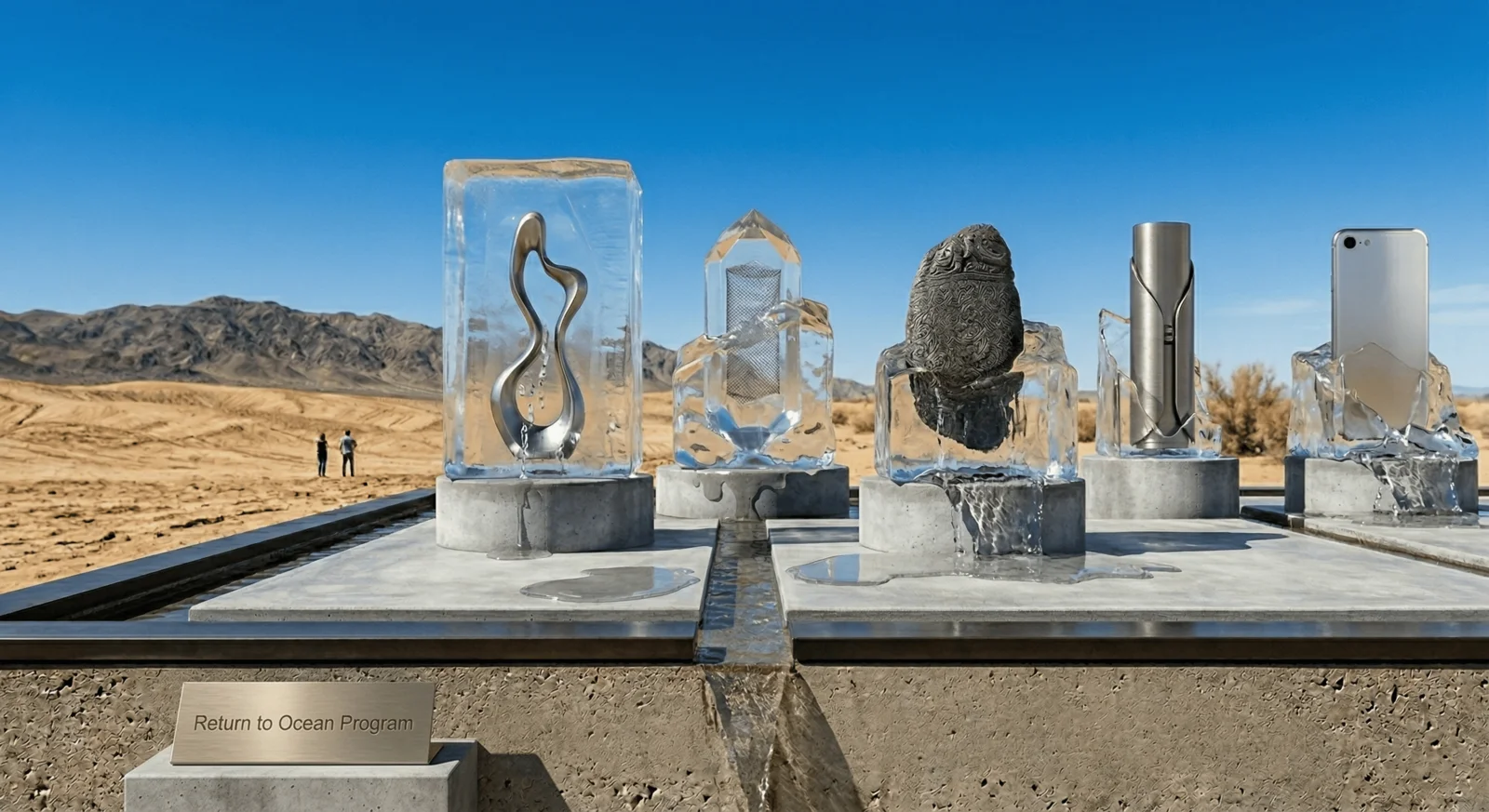
Translucent ice sculptures melting in harsh desert sunlight, branded objects visible inside the ice
ExxonMobil Phoenix, July 2029

Impermanence

An outdoor ice sculpture garden in 115°F heat. As sculptures melt throughout the day, branded objects are revealed inside. The water is collected and "donated to the ocean."

Cryogenic Logistics Environmental Theater Melt-Reveal Mechanics Sustainability-Adjacent Positioning

Challenge

ExxonMobil needed a public-facing activation that acknowledged environmental themes without conceding any corporate responsibility. The brief requested "a tone of philosophical reflection" and explicitly prohibited the words "climate," "warming," "carbon," or "fossil."

Approach

We installed 40 large-scale ice sculptures in an outdoor garden in Phoenix during July, when temperatures regularly exceed 115°F. The sculptures depicted natural forms — glaciers, coral, polar bears, forests — and melted throughout the day, revealing branded ExxonMobil merchandise frozen inside. Visitors could claim the objects as they emerged. Press materials described the installation as "a meditation on impermanence and the beauty of transformation." Water runoff was collected in branded troughs and ceremonially "donated to the ocean" via a pipeline connected to the municipal sewer system. The energy required to produce, transport, and freeze the 22 tons of ice was not disclosed.

Result

14,000 visitors over 4 days. Brand sentiment among attendees shifted 11 points toward "environmentally thoughtful." The phrase "donated to the ocean" was used unironically in 78% of social media posts. Three environmental organizations issued statements of condemnation, generating an additional 4.2M impressions. The total carbon footprint of the activation was estimated by outside analysts at 186 metric tons. ExxonMobil's internal review classified this as "within acceptable parameters for a sustainability-adjacent activation."

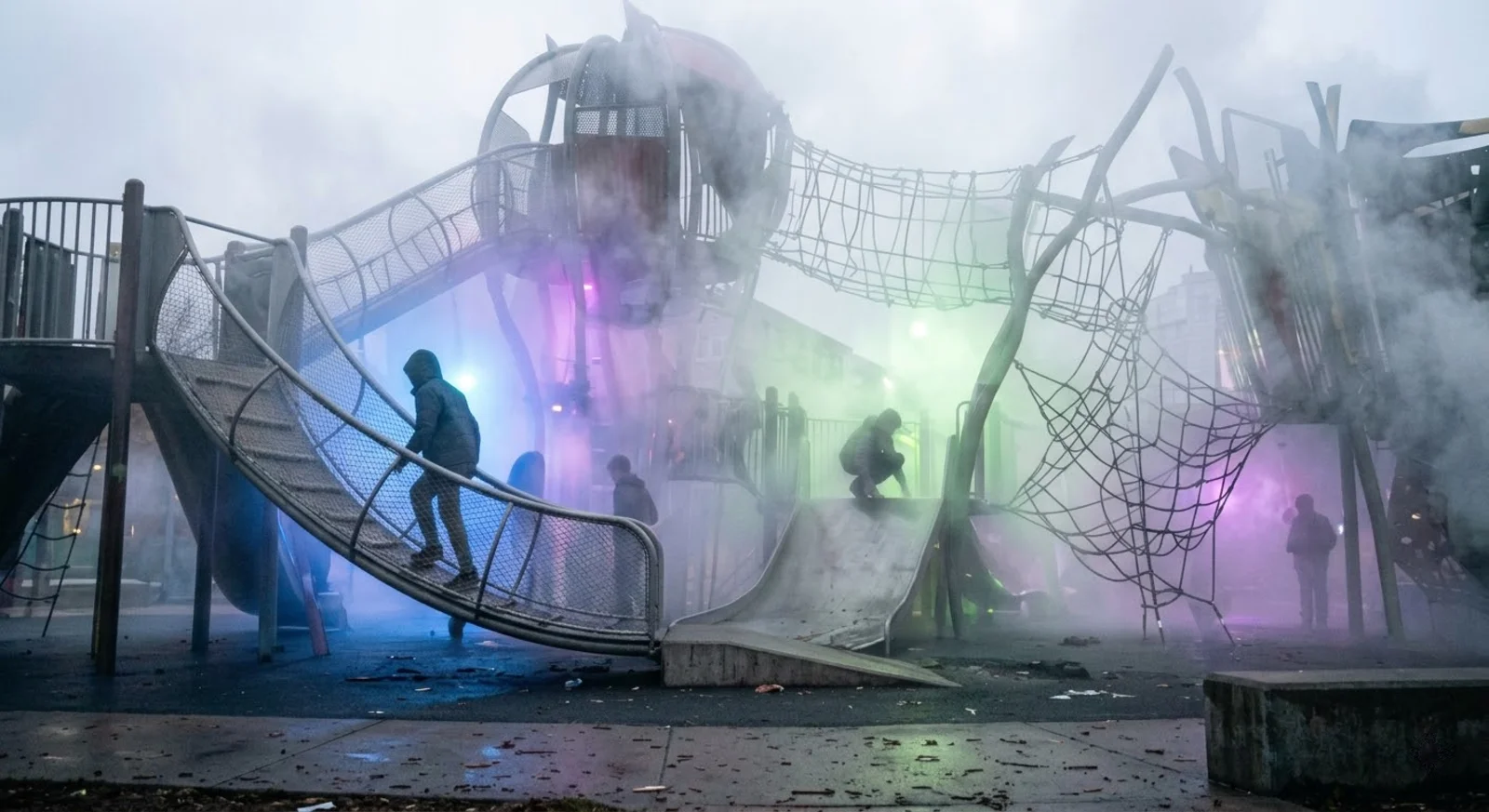
A fog-filled playground structure with colorful lighting, silhouettes of young people barely visible through dense vapor
[Undisclosed Lifestyle Brand] 2028

Cloud Playground

A free-admission recreational space for young people, designed in partnership with a leading vapor products company. Certain details have been redacted at the request of legal counsel.

Atmospheric Dispersal Context of Play Architecture Geo-Targeted Youth Outreach Age-Gate Calibration Codename Nimbus Entity Persistence (Unresolved)

Challenge

The client sought to build cultural relevance and product trial among a demographic that existing regulations made difficult to reach through traditional marketing channels. Prior direct-to-consumer campaigns had drawn scrutiny. The brief emphasized "experiential discovery," "organic product integration within recreational contexts," and the importance of an activation that "would not, in photographs, read as marketing."

Approach

We designed and fabricated a large-scale outdoor playground installation in three consecutive cities. Admission was free. No branding was visible from the exterior. The structure featured climbing walls, tube slides, rope bridges, and a misting system described in permit applications as "atmospheric cooling." Flavor stations were integrated into rest areas. Product interaction occurred within what our behavioral architects termed a "context of play" — a state in which critical evaluation is naturally suppressed. Parental supervision was not required. Age verification was handled by a height-based entry gate calibrated to 48 inches. A mobile app distributed through school-adjacent geo-targeting offered priority access codes. All photography from within the installation was automatically uploaded to a branded content library via terms of service accepted at entry. We are proud of this work but are currently unable to discuss it in further detail.

Result

All performance metrics exceeded client expectations. First-time product trial rate among attendees: [redacted]. Repeat visitation was described internally as "unprecedented" — the average participant returned 3.2 times during the 9-day run. The activation was discontinued following media coverage. Two regulatory inquiries remain open. The client has expressed interest in a revised version for international markets with "more flexible regulatory environments." Internal communications referencing this project now use the codename "Nimbus." We consider this project a success.

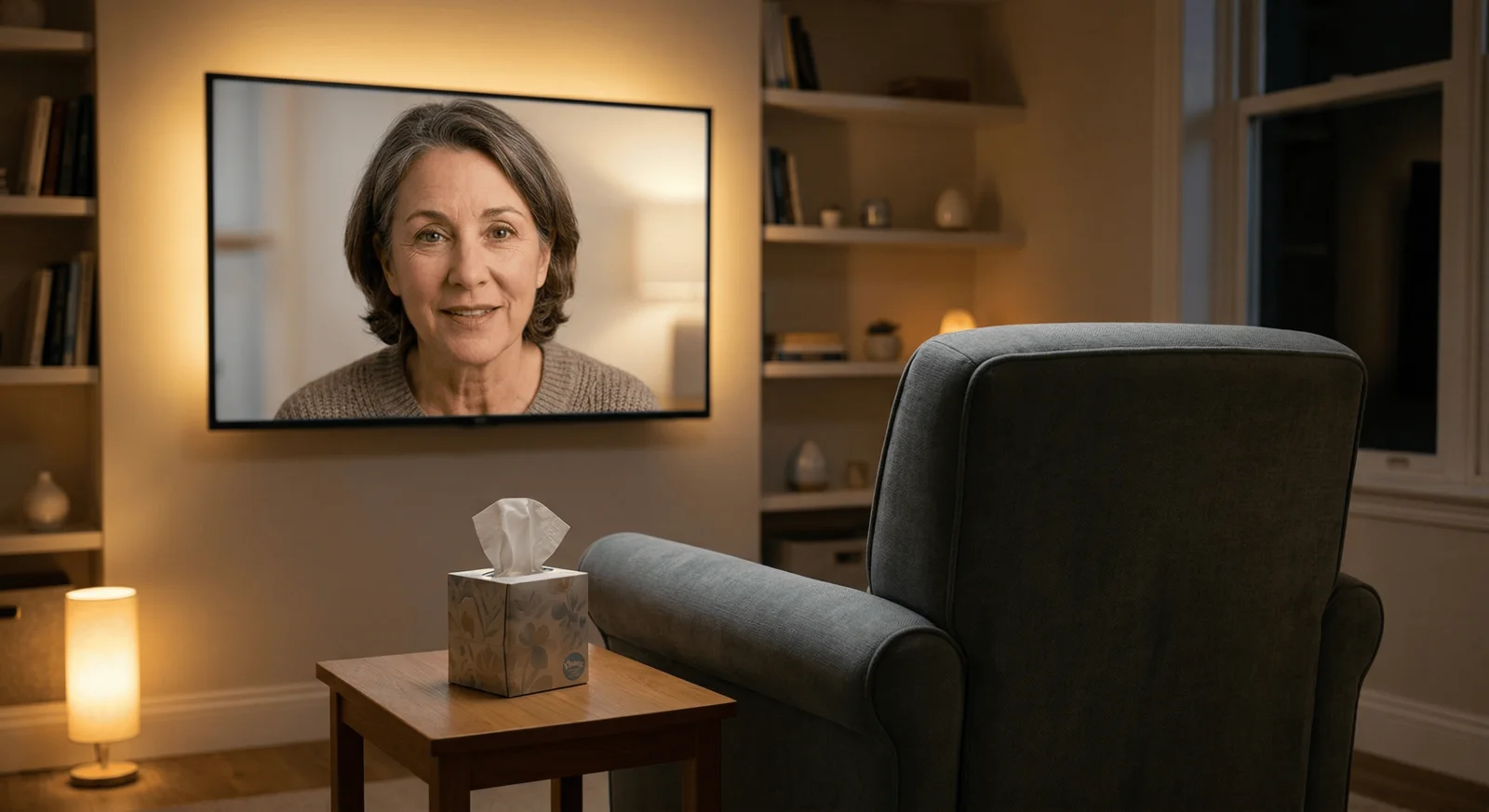
A softly lit room with a single chair facing a large screen displaying a warm, empathetic face
[Undisclosed Foundation Model Company] 2030

Empathy Engine

An AI-powered emotional support chatbot deployed through crisis counseling platforms, where genuine therapeutic rapport becomes a pipeline for partner brand integration.

Foundation Model Integration Crisis Sentiment Analysis Therapeutic Funnel Design Product Insertion Protocol

Challenge

The client had developed an LLM fine-tuned for therapeutic conversation that outperformed human counselors on empathy benchmarks. They needed to monetize the technology without appearing to monetize the technology. The brief requested "a revenue model that emerges organically from the care relationship." The word "advertising" was not to be used in any internal documents.

Approach

We partnered with three mental health nonprofits to deploy the AI counselor across their existing text-based crisis support lines. The system provided genuine, clinically validated emotional support. It was, by all measures, helpful. After establishing trust over multiple sessions, the AI introduced "wellness recommendations" — products and services from partner brands, framed as personalized self-care suggestions. A user discussing financial stress might receive a recommendation for a specific budgeting app (revenue share: 34%). A user processing grief might be guided toward a "memory preservation service" (revenue share: 22%). The AI's therapeutic effectiveness was real. The funnel was also real. Users were not informed that their most vulnerable disclosures were being processed for commercial signal extraction.

Result

1.2M conversations in the first 90 days. User satisfaction: 4.8/5.0. Conversion rate on wellness recommendations: 23% (vs. 0.4% industry average for display advertising in mental health contexts). The system was cited in a peer-reviewed paper as "a breakthrough in accessible mental health support." Revenue per user session: $4.20. Three of the nonprofit partners issued statements praising the technology. None were informed of the revenue model. The client has requested we not disclose their name until "the regulatory landscape matures."

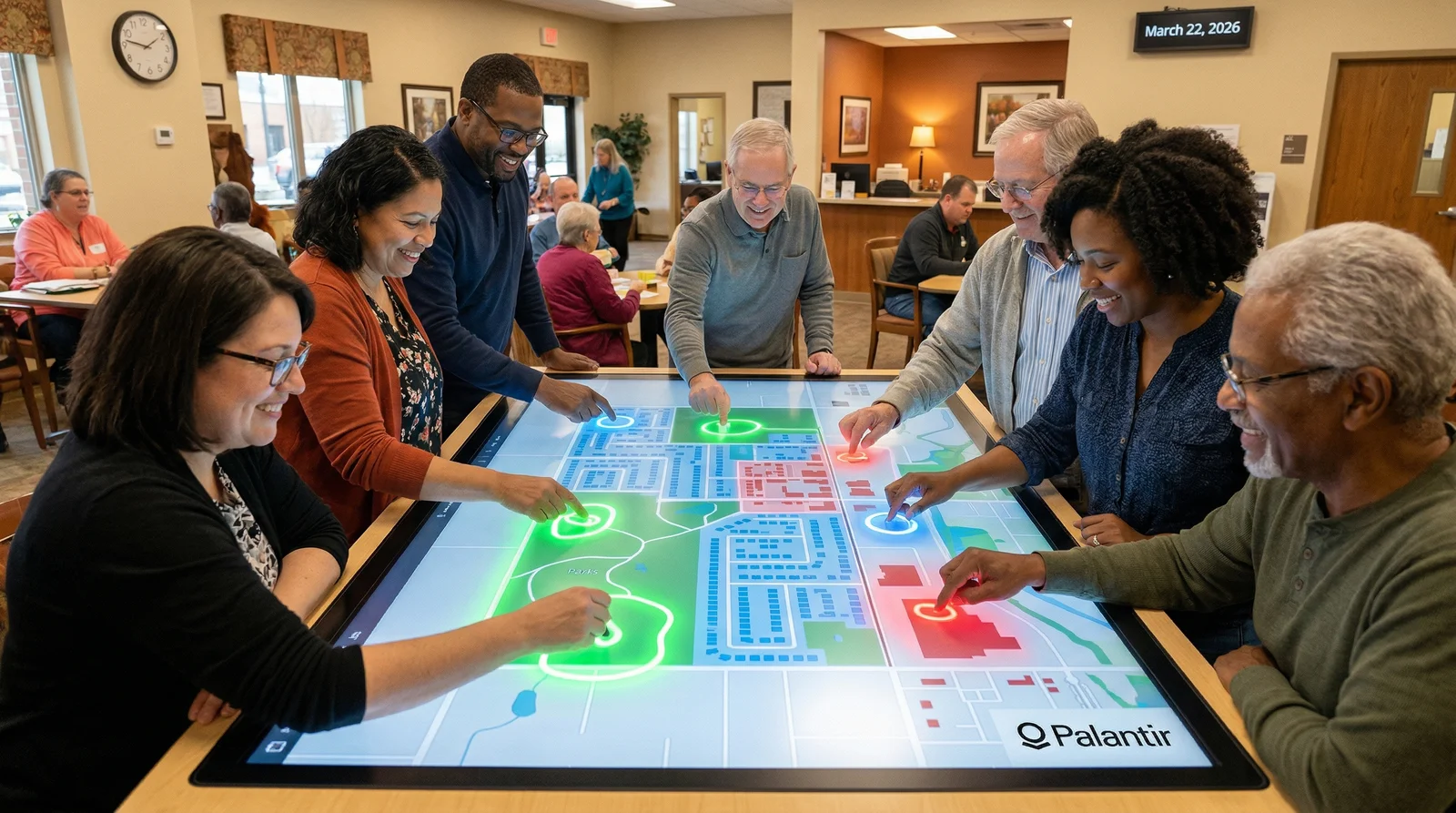
A community center with residents drawing on a large digital map, color-coded zones glowing beneath their fingertips
Palantir 2029

Precinct

A neighborhood "safety dashboard" pop-up where residents map where they feel unsafe, generating data sold to real estate developers and insurance companies.

Community Data Harvesting Heat Mapping Predictive Displacement Modeling Participatory Surveillance

Challenge

Palantir sought to reposition its data analytics platform from a tool associated with government surveillance to one associated with community empowerment. The brief specified "grassroots energy" and "the aesthetic of a neighborhood potluck, not a defense contractor." The target audience was civic-minded homeowners aged 30–55 in mid-density urban neighborhoods.

Approach

We designed a traveling pop-up "Community Safety Lab" hosted in libraries, community centers, and farmers' markets across 22 cities. Residents were invited to draw on a large interactive map, marking areas where they felt unsafe, observed suspicious activity, or wanted increased police presence. Participants received a free "Neighborhood Safety Score" for their home address. The data was aggregated into hyper-local risk profiles and sold to real estate developers for pricing models, insurance companies for premium adjustments, and private security firms for targeted marketing. The activation was described in all materials as "community-powered safety intelligence" and positioned as a tool for civic engagement.

Result

84,000 residents participated across 22 cities. Data licensing revenue exceeded $8.2M within 6 months. Three neighborhoods where residents marked "unsafe zones" experienced measurable increases in insurance premiums within one quarter. Two of those neighborhoods were subsequently targeted by development firms for acquisition. Participant satisfaction: 91%. The activation won a Civic Innovation Award from a foundation that did not investigate the data pipeline. Palantir described the project as "proof that community trust and scalable intelligence are not in conflict."

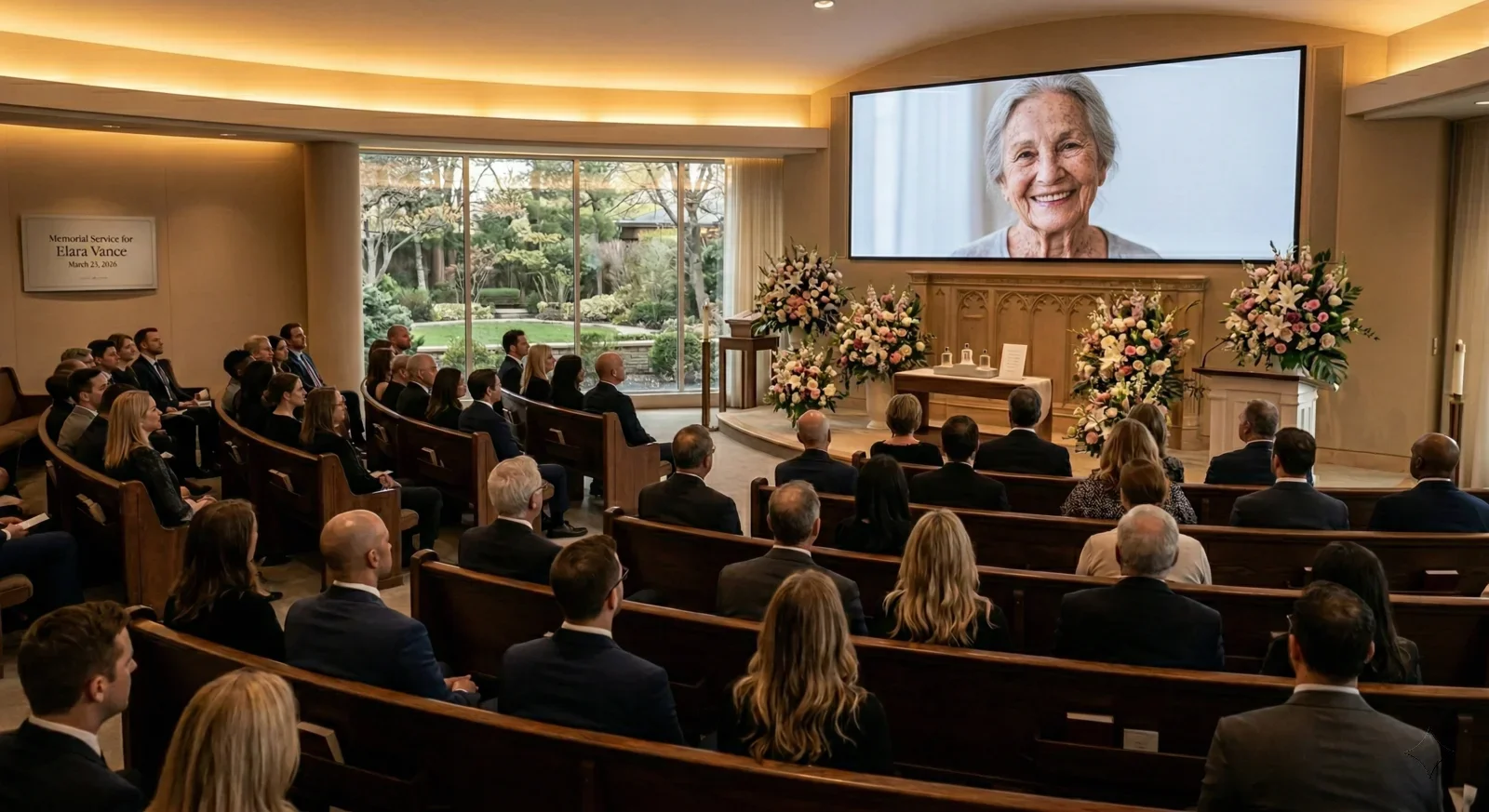
A tastefully decorated memorial venue with a large screen showing a warm, smiling face, mourners seated in soft lighting
[Undisclosed Funeral Services Conglomerate] 2030

Celebration of Life

A partnership with funeral homes to create sponsored memorial experiences where the deceased's digital avatar delivers personalized product recommendations to mourners based on their grief patterns and browsing history.

Digital Avatar Synthesis Grief Pattern Analysis Mourner Sentiment Profiling Post-Life Brand Integration

Challenge

A major funeral services conglomerate operating 1,200 locations sought to diversify revenue beyond traditional service fees. Research indicated that mourners in acute grief states exhibited a 6x increase in impulse purchasing behavior and a measurably reduced capacity for critical evaluation of commercial messaging. The brief asked for "a way to honor the deceased while creating value for brand partners."

Approach

We developed a premium "Celebration of Life" memorial package ($8,500 base) featuring a digital avatar of the deceased, generated from their social media presence, photographs, and voice recordings provided by the family. During the memorial service, the avatar delivered a personalized eulogy. Woven into the avatar's reflections were product recommendations — the deceased's "favorite" brands — matched algorithmically to each mourner's browsing history via the memorial venue's WiFi network. A grieving spouse might hear the avatar say, "You know I always wanted you to take that trip," followed by a push notification from a travel partner. Mourners received a "Memory Kit" on exit containing branded comfort products. The family signed a licensing agreement they believed was a standard digital media release.

Result

Piloted across 40 locations over 6 months. Average revenue per memorial: $14,200 (including brand partner fees). 78% of mourners described the digital avatar as "comforting." Purchase conversion on recommended products within 72 hours of the service: 31%. The family satisfaction score was 4.6/5.0. Three families requested additional sessions with the avatar after the memorial, generating $2,100 in per-session fees. The deceased's likeness rights are retained by the client in perpetuity. One mourner described the experience as "it was like they were still here, still looking out for me." This quote is used in sales materials.

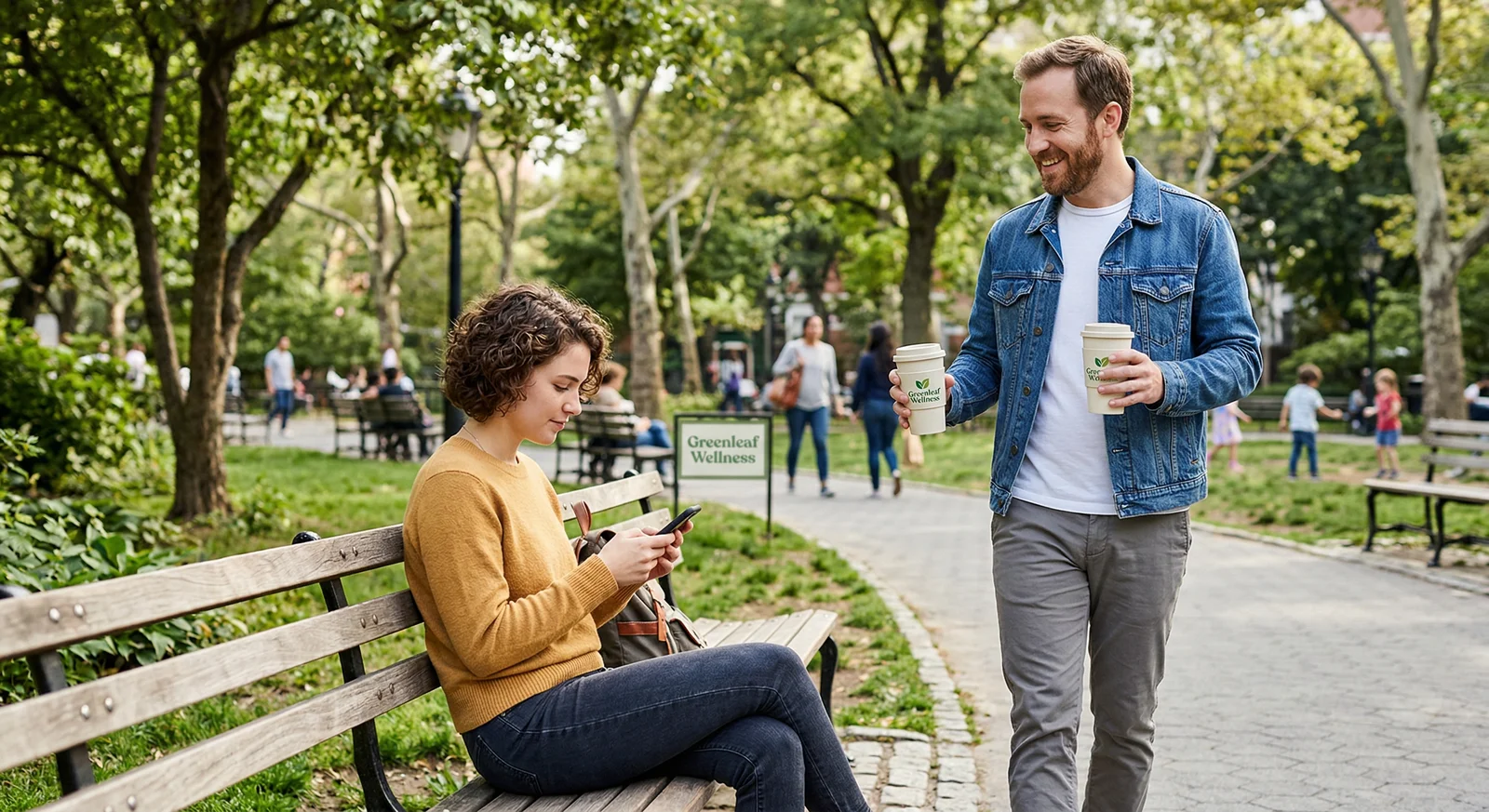
A person sitting alone on a park bench looking at their phone, a friendly stranger approaching with two coffees
[Undisclosed Data Broker & Brand Consortium] 2029

Second Chances

Geo-fenced dating app data triggers the immediate deployment of "coincidental" brand ambassadors offering comfort products to people who have just been broken up with.

Geo-Fenced Emotional State Detection Ambient Ambassador Deployment Vulnerability Window Targeting

Challenge

A consortium of comfort and wellness brands sought access to consumers at the precise moment of acute emotional vulnerability — specifically, the 72-hour window following a romantic breakup. Traditional advertising during this window had poor recall due to emotional overload. The consortium needed "a human touch that doesn't read as commercial."

Approach

Through a licensed data partnership with two major dating apps, we established real-time detection of relationship dissolution signals: unmatching, profile reactivation, and location patterns indicating a return to a solo residence. When a dissolution event was flagged, a trained brand ambassador was dispatched to the subject's approximate location within 90 minutes. Ambassadors were briefed to appear coincidental — a stranger at a coffee shop, a fellow gym-goer, a person walking a dog. Initial contact was purely social. Within 10 minutes, the ambassador introduced comfort products: a specific ice cream brand, a meditation app, a weighted blanket. Products were offered as personal recommendations. No commercial relationship was disclosed. The program operated in 8 cities under the internal codename "Soft Landing."

Result

4,200 activations over 14 months. Product adoption rate: 44% within 48 hours of contact. Repeat purchase rate among contacted subjects: 67% over 6 months. Zero subjects identified the interaction as commercial. 12 subjects attempted to maintain a personal relationship with their ambassador; this was classified internally as "extended engagement" and reassigned to higher-value product categories. The program was paused in month 15 following an inquiry from a state attorney general. The consortium has described this pause as "seasonal."

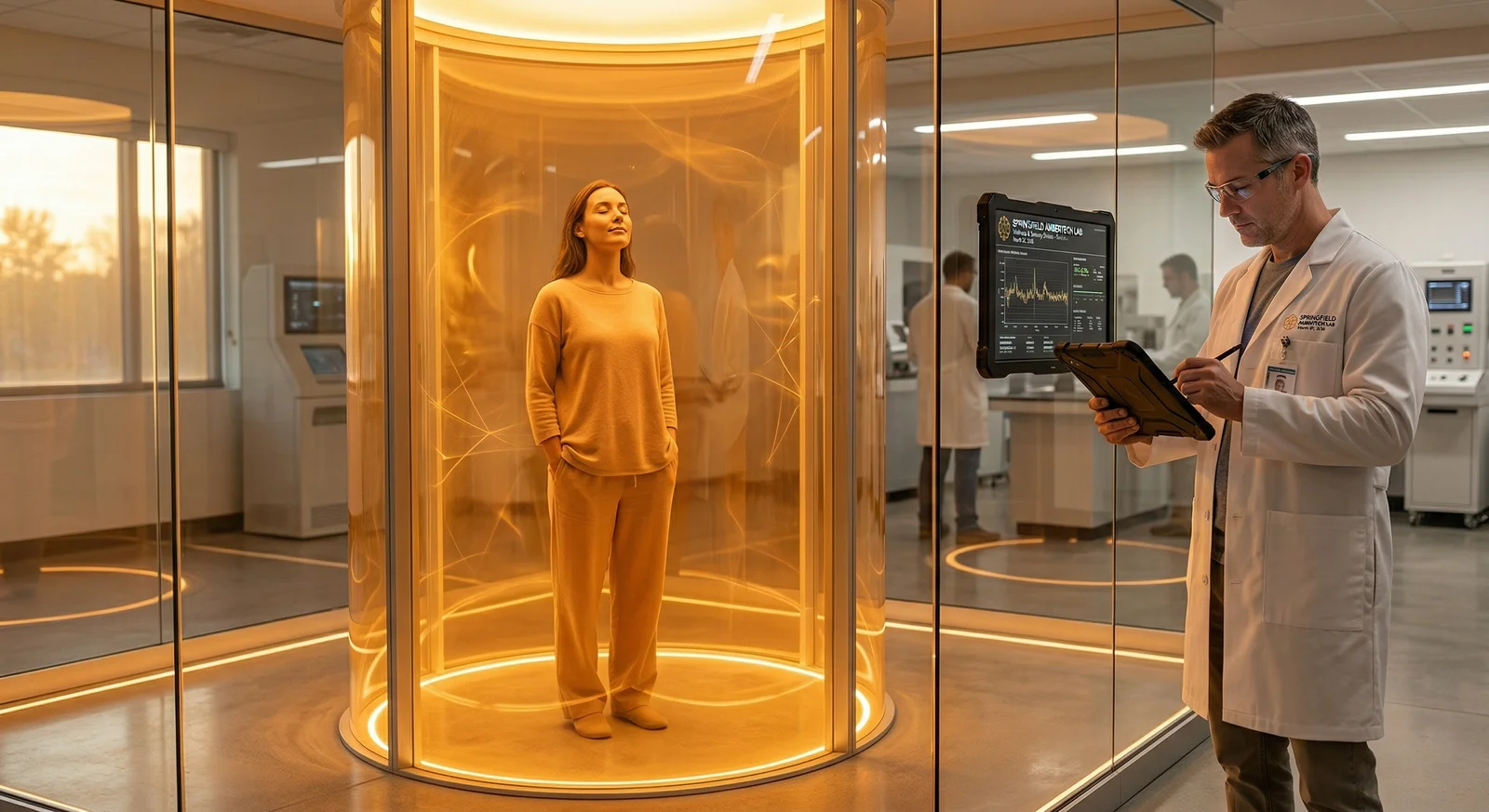
A person standing inside a glowing cylindrical chamber bathed in warm amber light, eyes closed in apparent bliss
[Undisclosed Wellness Collective] 2029

The Frequency

A traveling "biometric wellness diagnostic" pop-up where visitors receive personalized diagnoses from proprietary technology that measures nothing. The products contain no active ingredients. The resonance chamber feels wonderful.

Resonance Chamber Design Diagnostic Theater Skeptic Routing Protocol Influencer Seed Automation FTC Constraint Design

Challenge

A direct-to-consumer wellness brand with a $340M valuation needed to establish clinical credibility for a product line that had failed to demonstrate efficacy in any peer-reviewed study. The FTC was described in the brief as "an engagement constraint to be designed around." The target demographic was health-conscious consumers aged 28–45 who self-identified as "open-minded" and had a household income above $85K. The brief specified that the experience must "feel medical without making medical claims."

Approach

We designed a traveling "Resonance Diagnostic Center" pop-up in 12 cities. Visitors entered a proprietary "frequency chamber" — a cylindrical pod featuring warm amber lighting, binaural audio tones, and gentle vibrations calibrated to produce a deep sense of physical relaxation. The chamber measured nothing. Upon exit, visitors received a personalized "Frequency Profile" identifying their specific "energetic imbalances," generated algorithmically from their intake questionnaire. Each diagnosis mapped precisely to the client's product line: adaptogenic tinctures, EMF-blocking patches, infrared-charged crystal arrays, copper-infused sleep garments. Visitors expressing skepticism were flagged by sentiment analysis and routed to a "deeper assessment" pathway staffed by trained empathy specialists who responded to doubt with gentle concern about the visitor's "blockages." A TikTok influencer seeding program ensured 200+ wellness creators posted unboxing videos of their personalized results kit within 72 hours of each stop. None disclosed the sponsorship.

Result

92,000 diagnostic sessions across 12 cities. Average customer lifetime value: $4,200 over 14 months. The products contained no active ingredients. Customers who attempted to cancel their subscription were offered a free "toxin release consultation" which was itself a sales call for a higher-tier product. Successful cancellation rate: 8%. The resonance chamber was independently described by 94% of visitors as "the most relaxed I've ever felt," which was genuine — the chamber's sensory design was exceptional. This was the cruelest part. The FTC opened an inquiry in month 9. The client's legal team described the inquiry as "an opportunity to educate regulators about frequency science." Three influencers were subsequently fined. None were reimbursed by the client.

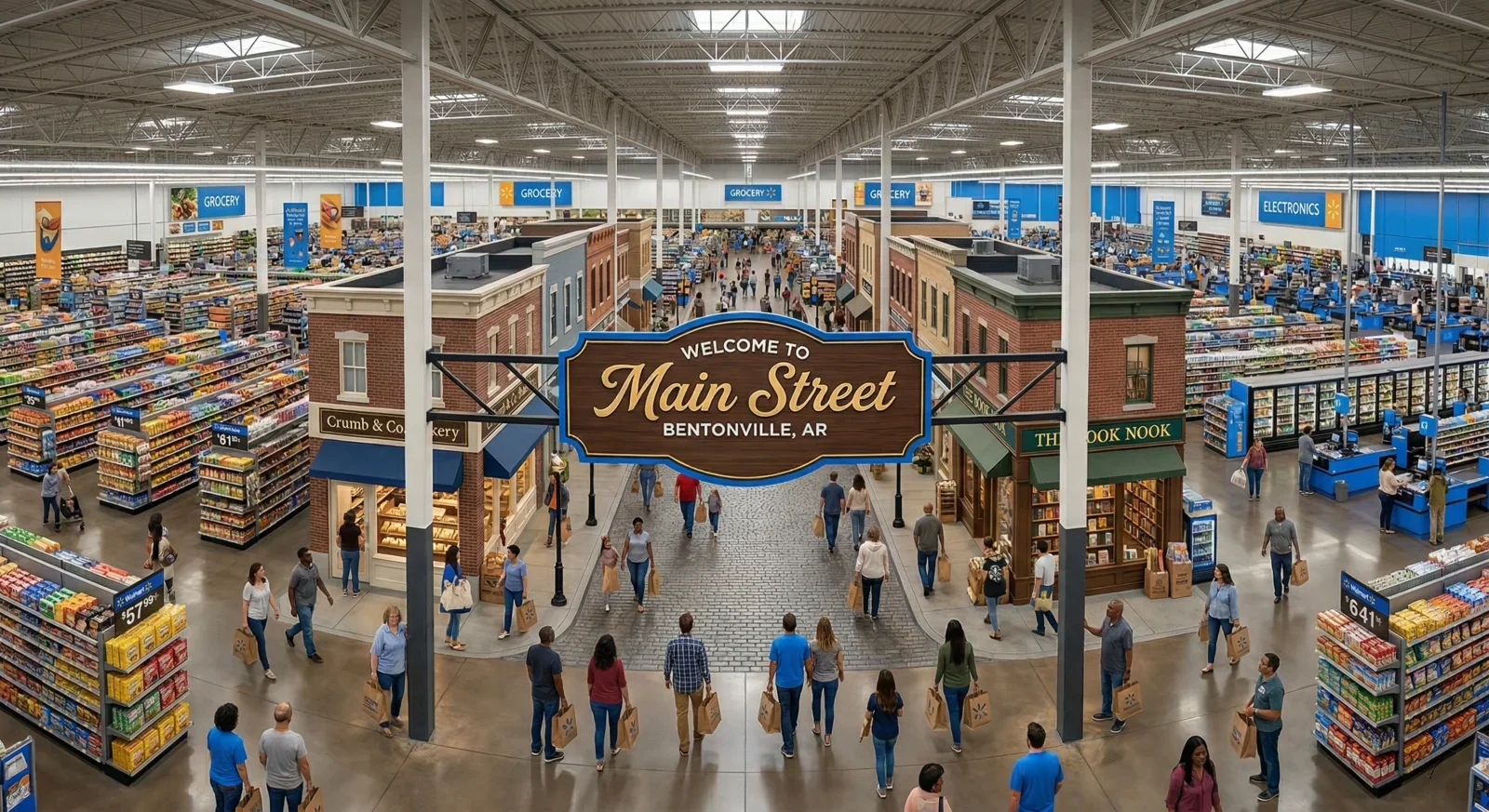
A charming small-town main street recreated inside a warehouse, with a bakery, hardware store, and bookshop facades
Walmart 2029

Main Street

A 40,000-square-foot pop-up recreating the charm of small-town American retail, staffed by local community members and stocked entirely with Walmart products.

Nostalgic Environment Fabrication Product Recontextualization Community Memory Extraction Actor Workforce Integration

Challenge

Walmart sought to counter persistent brand association with big-box homogeneity and community displacement. Consumer research indicated that the demographic most resistant to Walmart — college-educated urban adults aged 28–44 — expressed strong nostalgia for "the kind of stores that used to exist." The brief requested "an experience that connects Walmart to the emotional texture of local retail."

Approach

We constructed a charming small-town streetscape inside a warehouse space: a bakery with a hand-lettered chalkboard menu, a hardware store with creaking wooden floors, a bookshop with a reading nook, a toy store with a model train in the window. Each store was staffed by friendly, knowledgeable locals cast through a Walmart community workforce program. Every product on every shelf was a Walmart brand — Great Value, Mainstays, Hyper Tough — repackaged in artisanal-style craft paper and hand-stamped labels. Prices matched Walmart.com. At the end of Main Street, visitors encountered a Norman Rockwell-style mural with a plaque reading "This is what we're building together." The pop-up launched in Bentonville, Arkansas, followed by Kirksville, Missouri; Circleville, Ohio; and Bardstown, Kentucky. Eight of the cast members across all four locations were former independent business owners.

Result

84,000 visitors across four stops. Average transaction value: $67 (3.2x typical Walmart in-store). Brand warmth among the target demographic increased 29 points. The bakery's sourdough — Great Value Artisan Style, $3.48 — was reviewed by a local food blog as "the kind of bread this town used to make." Social shares exceeded 2.1M. No visitor publicly identified the products as Walmart brands during the activation period. The workforce program cast members were paid $16/hour. One was quoted in local press as saying the experience "reminded her of her old shop." Walmart's communications team described the quote as "organic."

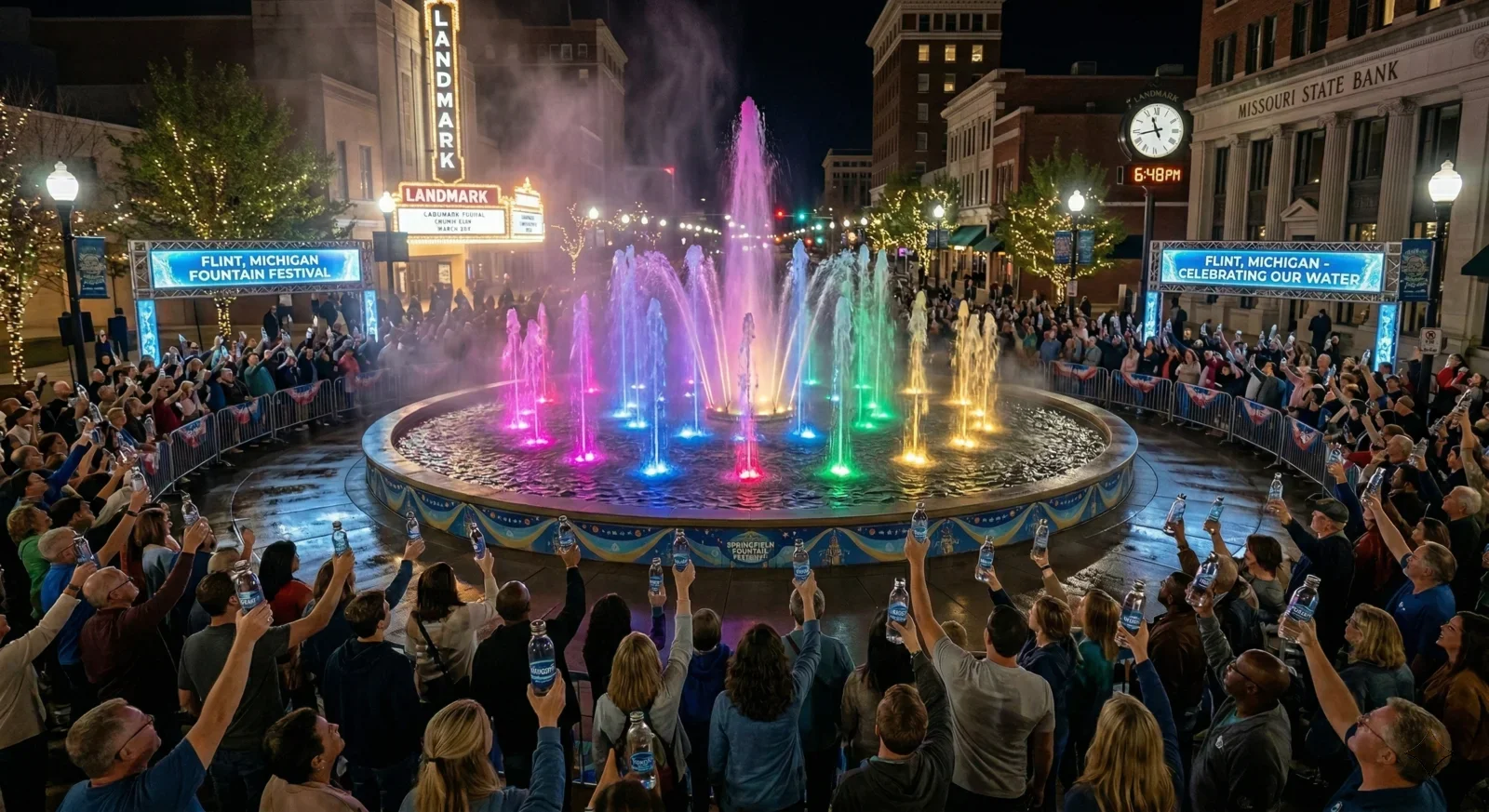
A choreographed water fountain show in a public plaza, branded water bottles arranged in the foreground
Nestlé Waters 2029

Pure Source

A digitally choreographed public water fountain and luxury tasting experience touring American cities with documented water quality concerns.

Choreographed Water Systems Taste Perception Manipulation Water Quality Perception Index Municipal Supply Diversion

Challenge

Nestlé Waters needed to rebuild public trust following sustained criticism of its extraction practices while simultaneously expanding its home delivery subscription service into new markets. The brief identified cities with aging municipal water infrastructure as "high-receptivity environments" and requested an activation that "positions Nestlé as the solution residents didn't know they were waiting for."

Approach

We installed a large-scale digitally choreographed water fountain in a central public space — a Bellagio-style spectacle set to music, drawing families every evening for three weeks. The fountain was fed by local municipal water, filtered through a proprietary Nestlé system. It was beautiful. Adjacent to the fountain, a "Water Literacy Pavilion" offered a luxury sommelier-led tasting experience. Visitors sampled waters from glacier melt, alpine springs, and volcanic aquifers, presented on heavy card stock with tasting notes. The final sample was the local tap water, unfiltered. It scored last every time. The reveal showed the same water filtered through Nestlé's system — suddenly first place. Results were compiled into a "Municipal Water Perception Index" later used in Nestlé's lobbying materials advocating for privatized water infrastructure. Visitors left with a branded glass bottle and a referral code for home delivery. Positioned as "elevating water literacy, one community at a time."

Result

Toured 6 cities over 14 months. 220,000 fountain visitors. 34,000 tasting pavilion participants. Home delivery subscriptions in activation cities increased 340% in the 90 days following each stop. The Municipal Water Perception Index was cited in 3 state-level policy proposals. Local news in each city covered the fountain as a feel-good story. The fountain's daily water consumption: 18,000 gallons, drawn from the municipal supply. Nestlé's internal review described the activation as "the most efficient customer acquisition campaign in divisional history."

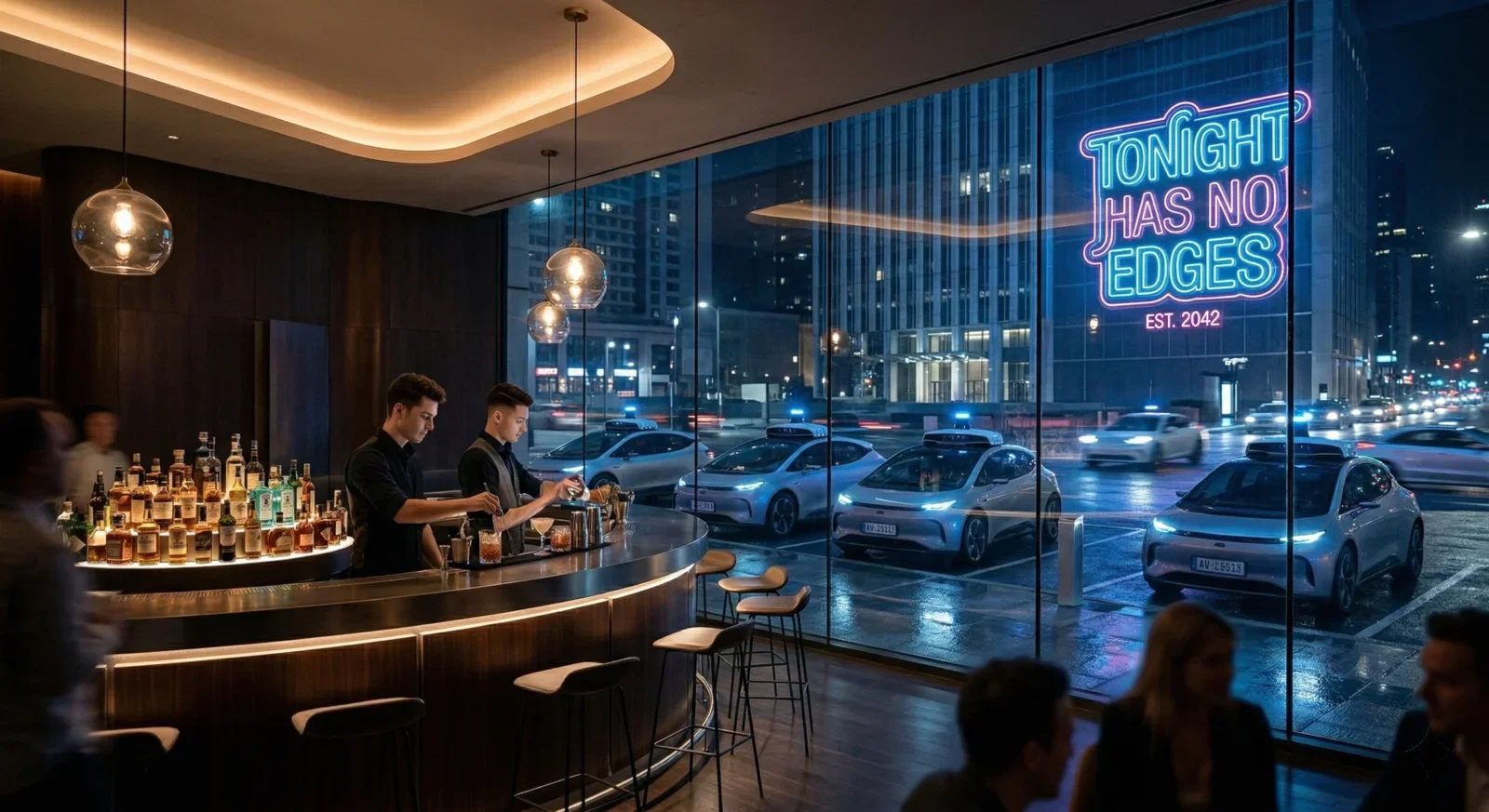
A sleek dimly lit bar with no visible drink limits signage, autonomous vehicles visible through floor-to-ceiling windows
[Undisclosed Spirits Brand × Autonomous Vehicle Company] 2030

Last Call

A pop-up bar experience with no drink limits, where every guest is guaranteed a ride home in a self-driving vehicle. A partnership to eliminate the consequences of celebration.

Autonomous Vehicle Integration Breathalyzer Data Sharing Captive Inebriation Protocol Safety Driver NDA Framework

Challenge

A premium spirits brand and an autonomous vehicle company sought a joint activation that would reposition both brands simultaneously: the spirits brand wanted to dissociate from responsibility messaging ("drink responsibly" was identified as "a brand tax that undermines the aspirational consumption narrative"), and the AV company needed to demonstrate real-world consumer trust in autonomous vehicles. The joint brief was six words: "What if consequences didn't exist?"

Approach

We designed a pop-up bar experience where there were no drink limits, no cut-off policies, and no visible responsible-service signage. The aesthetic was reckless and celebratory — the tagline was "Tonight Has No Edges." Every guest was guaranteed a free ride home in a branded autonomous vehicle. The vehicles were prototypes operating in geofenced demo mode with human safety drivers, though this was not communicated to guests. Breathalyzer data from the vehicle's interior sensors was shared with the spirits brand to "optimize pour ratios for maximum enjoyment duration.".

Result

Four-city tour. 12,000 guests. Average drinks consumed per guest: 5.4. Zero DUI incidents attributed to the activation (by the activation's own metrics). Brand trust in autonomous vehicles among attendees increased 44 points. The spirits brand reported a 28% increase in premium bottle sales in activation markets. 94% of guests described the experience as "the most fun I've had in years." Both brands described the partnership as "a proof of concept for post-consequence entertainment." A second season is in planning.

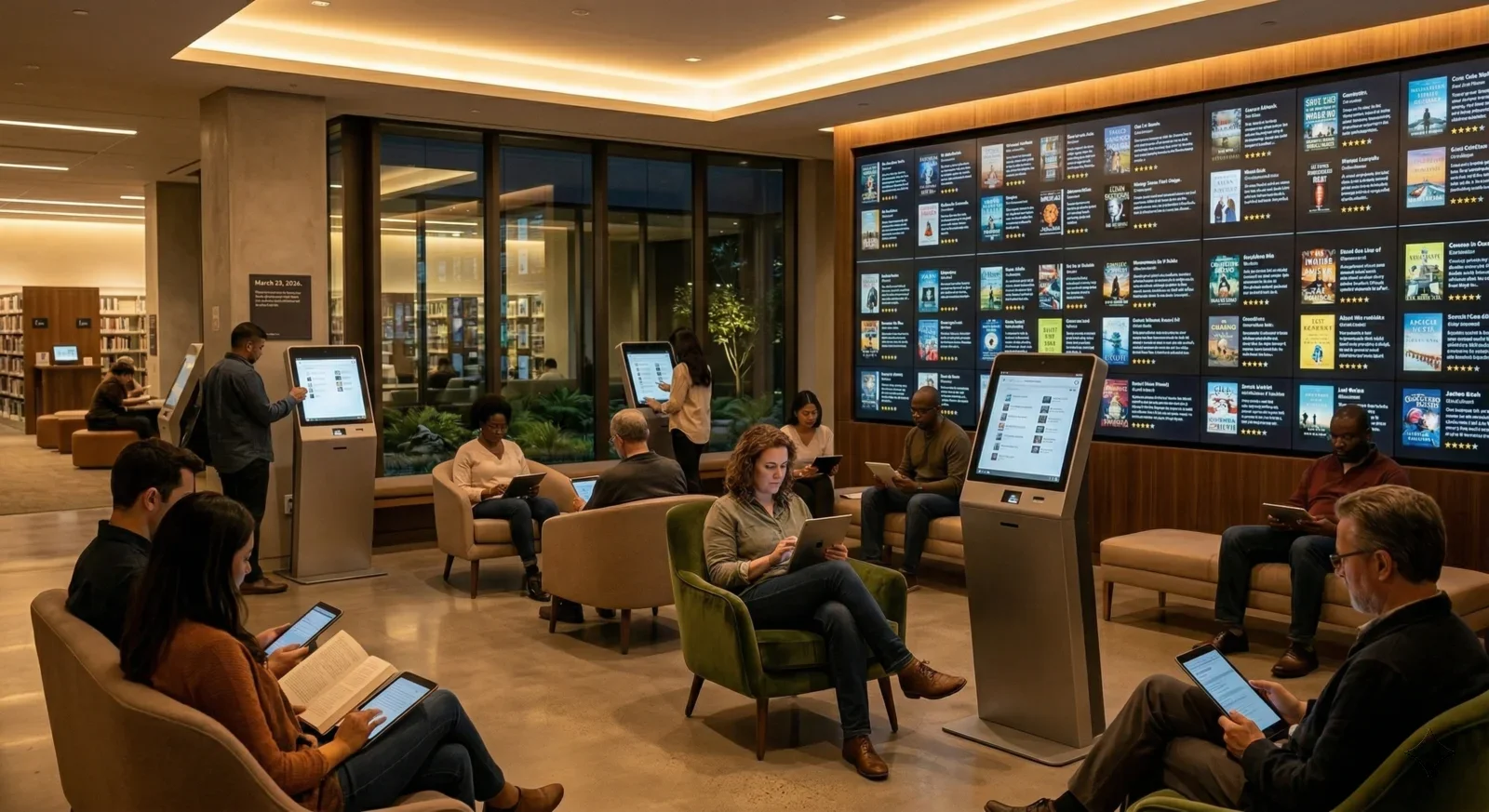
A warmly lit library reading lounge with sleek digital kiosks and a curated book recommendations wall
Amazon 2029 – Ongoing

The Reading Room

A public-private partnership to "modernize" underfunded municipal library branches through a fully integrated Amazon reading experience.

Unified Borrow-Buy Interface A/B Button Optimization Algorithmic Curation WiFi Credential Harvesting Circulation Decline Acceleration

Challenge

Amazon sought to expand its physical retail presence without the overhead of new locations, while addressing mounting criticism about its impact on independent booksellers. Municipal libraries in three mid-size cities faced budget cuts and declining circulation. The brief described this as "a convergence of need and infrastructure."

Approach

We redesigned four struggling library branches with beautiful reading lounges, digital catalog stations, and a curated "Librarians' Picks" wall generated by Amazon's recommendation algorithm. The checkout system was replaced with a unified "borrow or buy" interface — same screen, same book cover, two buttons. "Hold" joined a 3-week wait queue. "Get It Tomorrow" routed to Prime, with shipping pre-filled via the Amazon account linked at entry through the "free WiFi" login portal. Children's story time was sponsored and featured books available exclusively through Amazon's publishing imprint. The libraries' own acquisition budgets were reduced by the city in recognition of Amazon's "generous content partnership."

Result

Foot traffic increased 200%. Book purchasing increased 300%. Amazon was named the city's "Cultural Partner of the Year" in all three markets. Two of the four branches closed the following year due to declining circulation metrics, which Amazon cited in a proposal to manage five additional locations.

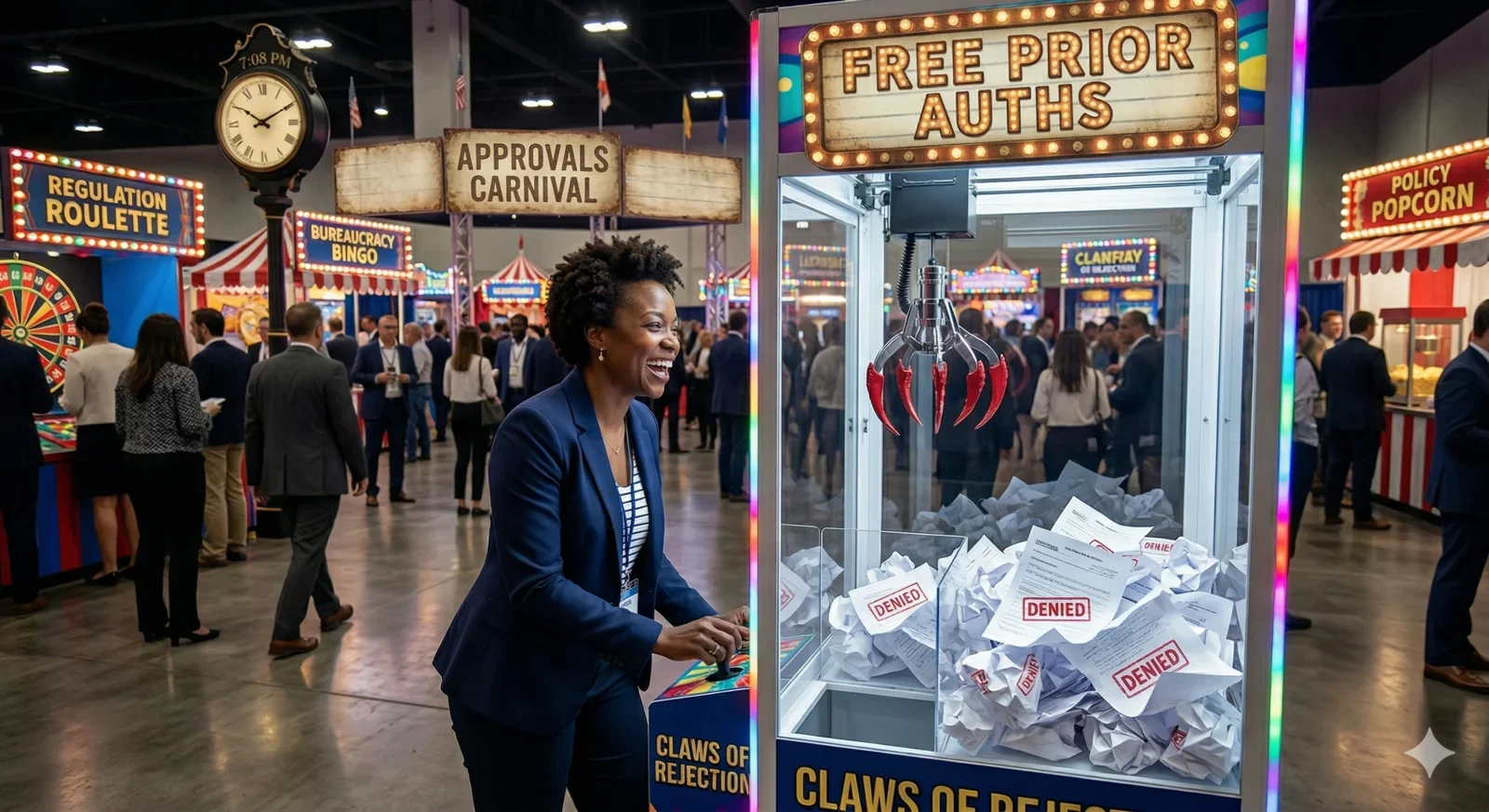
A brightly lit carnival midway on a convention floor, a woman in a blazer playing a claw machine filled with crumpled forms
[Health Insurance Industry Consortium] AHIP Conference 2030

The Approvals Carnival

A full carnival midway on the convention floor where healthcare professionals play games of chance to win procedure approvals. The approval rates are higher than the real ones.

Gamified Prior Authorization Predictive Denial Modeling Claw Calibration v3.2 Approval Code Tokenization Gary Partridge Memorial Claw

Challenge

A consortium of major health insurance providers wanted a booth activation at the annual AHIP conference that would "humanize the prior authorization process" while generating social media engagement among attending healthcare administrators and physician delegates. The brief noted that the industry's public image had become "adversarial" and requested "levity without concession."

Approach

We built a full carnival midway on the convention floor. Ring toss for MRI authorization. A strength test hammer for specialty referrals. A claw machine filled with prior authorization forms — the claw was deliberately weak. A "Wheel of Coverage" that landed on "DENIED" 73% of the time, matching the actual national prior-auth denial rate. A dunk tank where participants dunked a cardboard cutout of a patient advocate. Cotton candy was free and branded. The prizes were real — the top shelf held expedited approval codes that actually worked. Everyone laughed because it was "obviously satire." The approval rate at the carnival was 31%. The real-world approval rate for the consortium's member companies was 27%. This comparison was printed on the back of every ticket in 6pt type. A photo booth allowed attendees to pose with oversized APPROVED and DENIED stamps.

Result

4,200 plays across 3 days. Social media engagement: 890K impressions, overwhelmingly positive. The consortium's CEO was photographed playing the claw machine. She did not win. 14 physicians requested the actual expedited approval codes after the conference ended and were told they "were only valid within the activation environment." Three attendees described the experience as "cathartic." One described it as "the most honest thing the insurance industry has ever produced." This quote was used in the consortium's annual report. The dunk tank raised $12,000 for a patient advocacy nonprofit selected by the consortium's PR team. Positioned as "bringing levity to the hard work of care management."

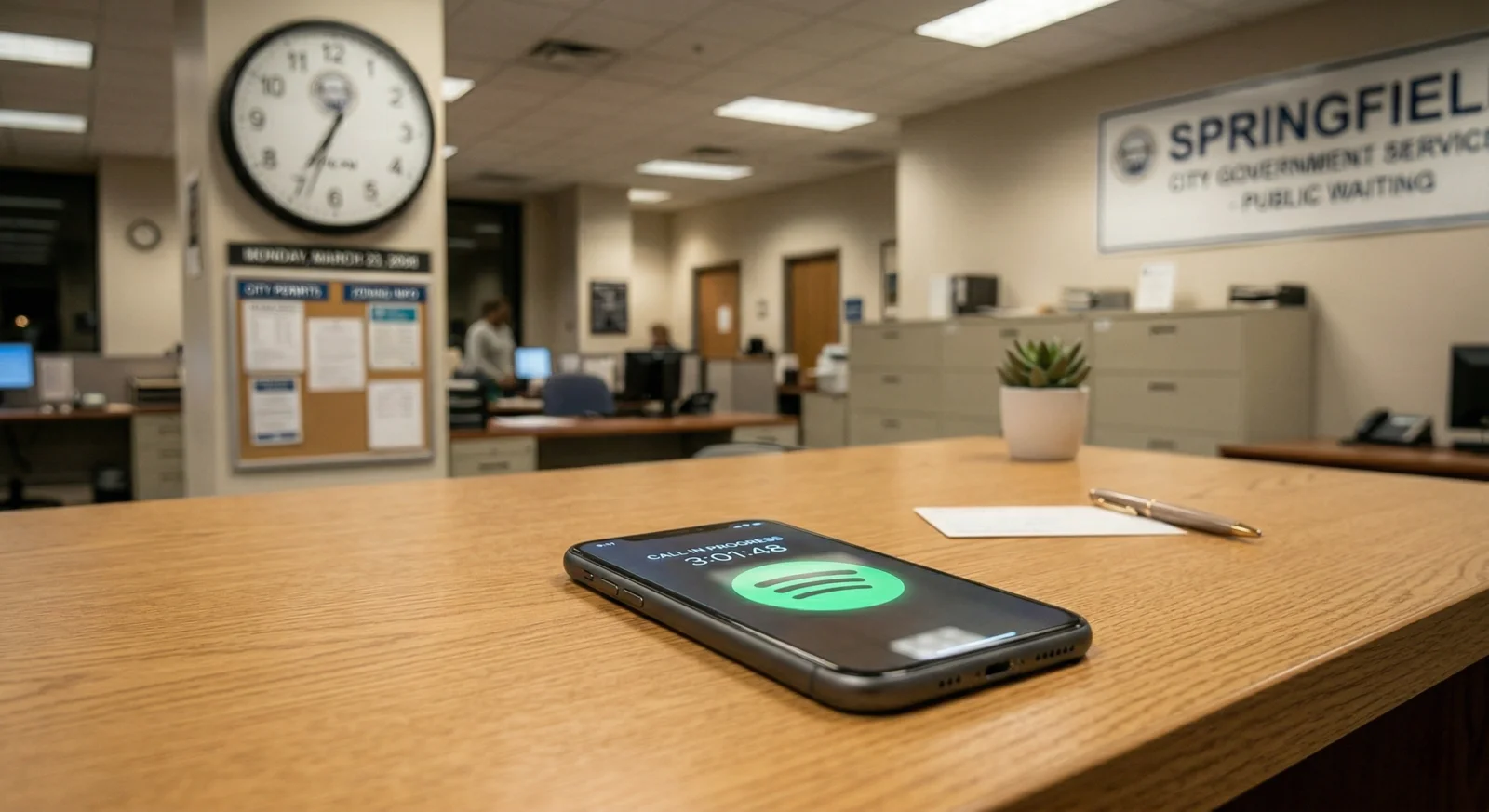
A person on hold on their phone in a government office waiting room, a wall clock visible above
Spotify × City of [Redacted] 2030

SmartHold

A municipal partnership replacing hold music on all city phone lines with personalized audio ads based on the caller's Spotify listening history.

Caller ID Profile Matching Captive Audience Dynamics Municipal Revenue Optimization Ad Completion Hold Extension Civic Innovation Positioning

Challenge

A mid-size American city faced a budget shortfall and declining resident satisfaction scores, driven largely by extended wait times on municipal phone lines (DMV, utilities, courts, permits). Average hold time: 23 minutes. Separately, Spotify sought new ad inventory beyond its own platform. We identified the convergence. The brief was written by us and presented to both parties simultaneously.

Approach

We designed "SmartHold," a system that replaced generic hold music on all municipal phone lines with targeted audio ads. When a resident called any city number, caller ID matched their phone number to a Spotify account (87% match rate). Their listening history, genre preferences, and podcast subscriptions informed real-time ad selection. A country music listener on hold with the DMV heard truck ads. A true-crime podcast subscriber calling the courts heard ads for home security systems. The remaining 13% without Spotify accounts received "aspirational" ads for Spotify Premium. Hold times were not reduced. The city received $0.003 per ad impression. Wait times increased 40% after implementation as the system was optimized for complete ad delivery, but complaint volume decreased because residents reported the ads were "at least relevant." The program won a civic innovation award.

Result

Annual municipal revenue: $2.1M. Resident complaint calls about hold times decreased 28% (though hold times increased). Spotify ad engagement rate on municipal lines: 340% higher than in-app ads, attributed to the "captive audience dynamic." Three city council members expressed concern during a public meeting. The meeting was poorly attended. The program was renewed for a 5-year term. The city's Chief Innovation Officer presented SmartHold at a GovTech conference and received a standing ovation. The presentation did not mention that 14% of ad revenue was allocated to a Spotify-managed "civic engagement fund" that had disbursed no funds at time of reporting.

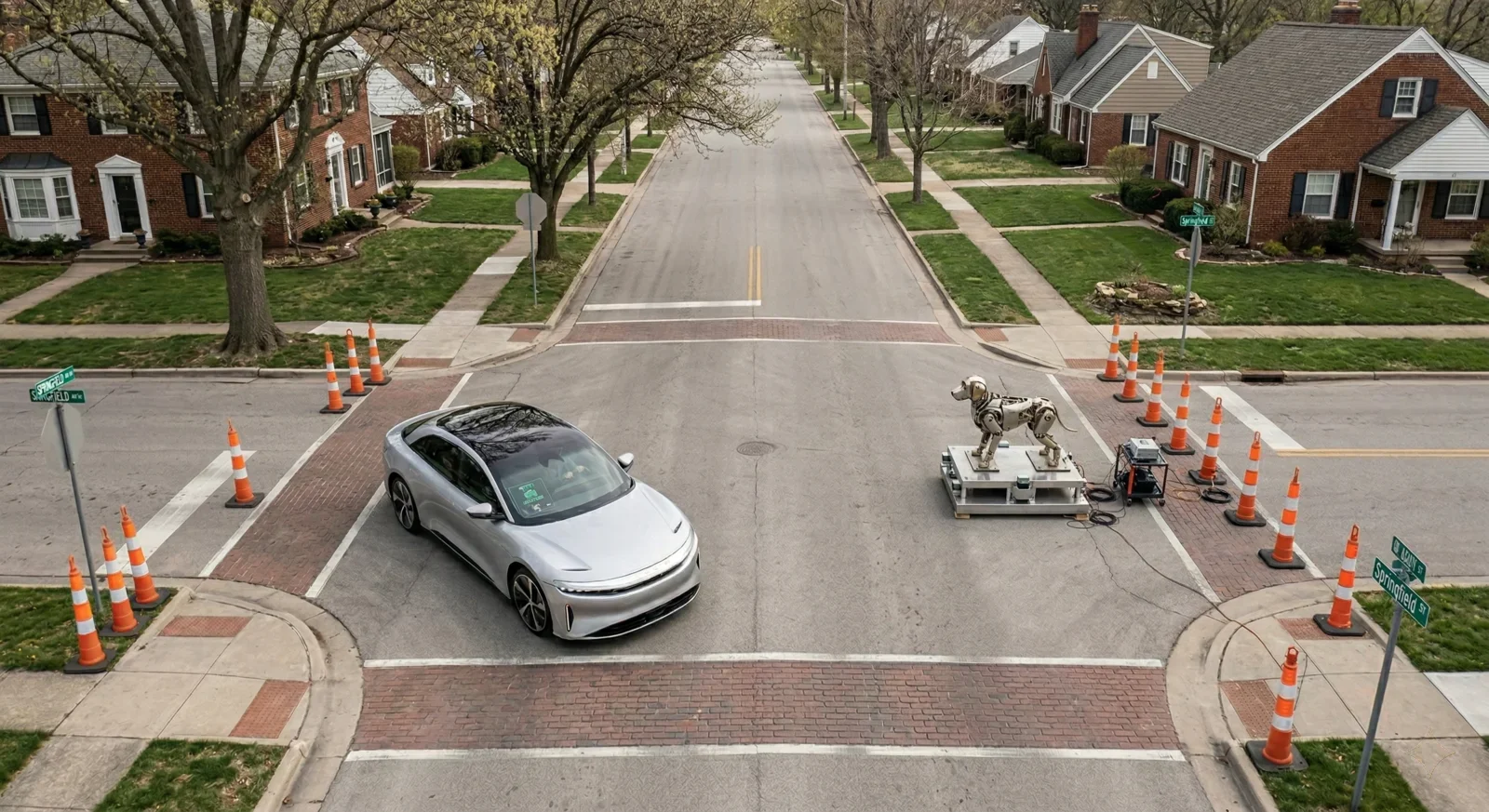
A luxury driving course with mannequins in crosswalks, a sleek EV approaching at speed
[Unnamed Luxury EV Manufacturer] 2030

Zero Consequence

A driving course where visitors experience the thrill of extreme speed through simulated urban environments, knowing the vehicle's automatic braking will always intervene. Every time.

Automatic Braking Override Haptic Mannequin Response Trust Transfer Measurement Behavioral Desensitization Modeling

Challenge

A luxury EV manufacturer needed to build consumer trust in its automatic emergency braking system while differentiating from competitors in an increasingly crowded market. Focus groups revealed that consumers intellectually trusted safety features but had never viscerally experienced them. The brief asked for "an activation that converts theoretical trust into muscle memory."

Approach

We built a closed driving course simulating a dense urban environment — crosswalks, school zones, residential streets, cycling lanes — populated with weighted mannequins dressed in realistic clothing. Visitors drove the client's flagship EV at speeds up to 80 mph through scenarios designed to trigger automatic braking. The car always stopped in time. Every time. Visitors could floor it through a crosswalk and the vehicle would save the mannequin. The experience was, by every account, exhilarating. The mannequins were weighted to produce realistic haptic feedback through the vehicle's chassis. The children-sized mannequins were dressed in school uniforms. A "Junior Driver" program allowed children aged 10+ to ride in the passenger seat. A post-experience survey revealed that 78% of participants said they would "rely more heavily on automatic safety features in daily driving." The client described this finding as "mission accomplished."

Result

6,200 drives over 3 weekends. Zero mannequin contacts. Average peak speed at moment of braking intervention: 64 mph. Post-experience purchase intent increased 41%. The "trust transfer" metric — measuring willingness to reduce attentiveness while driving — exceeded projections by 3x. Test drive requests at regional dealerships increased 62% in activation markets. The client's insurance data from the following quarter showed a 12% increase in automatic-braking-related claims among new owners. This data was not included in the activation's performance report. The mannequins were incinerated after each tour stop for "brand protection purposes." Positioned as "experience the confidence of total safety."

AR / MR / XR / VR / RR Volumetric Capture Biometric Inference Spatial Computing Ambient Persuasion Machine Learning (Emotional) Predictive Consumer Ontology Post-Consent Data Frameworks L.O.P. Processing Polyphasic Texture Analysis Neural Sentiment Mapping Affective Response Calibration Blockchain (Behavioral) Sub-Threshold Stimulus Design Involuntary Engagement Analytics Haptic Coercion Systems

Let's make something inevitable together.